


### Blog Post:
Smart compression socks circulation is revolutionizing how nurses, frequent travelers, and anyone concerned about blood flow manage leg discomfort and swelling. In this guide, you’ll discover what’s new, how to get the most benefit, and which missteps to avoid when choosing and using these next-generation wearables.
Key Takeaways
- Smart compression socks offer real-time monitoring of circulation biomarkers but lack direct comparative clinical evidence for DVT prevention over traditional stockings as of 2024.
- Advanced features like seamless 3D knitting, precise fit, and app-based sensor feedback make smart socks ideal for proactive swelling management, especially for nurses and travelers.
- Most common complaints relate to comfort, fit, and high cost—research product specs carefully and consider your daily needs before investing.
- What Are Smart Compression Socks for Circulation?
- Step-by-Step Guide: Getting the Most from Smart Compression Socks
- Advanced Analysis & Common Pitfalls
- Conclusion
- Frequently Asked Questions
What Are Smart Compression Socks for Circulation?
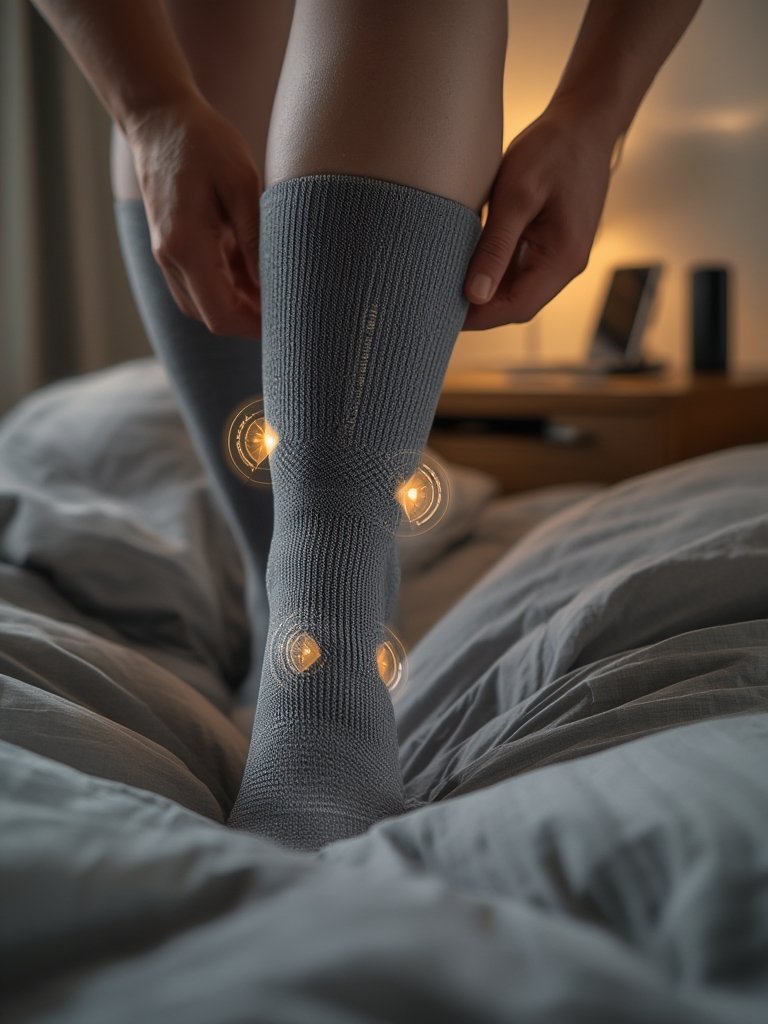
Smart compression socks are upgraded versions of graduated compression stockings. Unlike traditional options, these medical socks use integrated sensors to track variables like blood flow, plantar pressure, temperature, and blood oxygen (SpO2) throughout the day. This wearable technology connects to your phone via Bluetooth, pushing live alerts or tailored guidance if your circulation drops or swelling risk spikes.

The “smart” aspect fundamentally changes the approach for people who sit, stand, or walk for extended periods. Nurses dealing with 12-hour shifts and travelers on long flights get feedback on their unique needs, not just a generic compression “dose.” These smart socks often feature seamless 3D-knitted construction for improved comfort, which helps address some previously reported issues—like seams causing irritation or standard fits not working for everyone.
Clinical research on these devices is at an early stage. While a 2024 study demonstrated that sensor-equipped smart socks accurately track changes in foot health biomarkers in adults, the trial focused on diabetic foot ulcer prevention, not DVT or general circulation (source). Traditional compression stockings remain well-established, but lack the feedback and alerts only smart socks can provide.
If you’re part of an at-risk group for swelling or poor circulation — such as frequent travelers, nurses, or seniors — smart socks with sensor-based guidance could help you intervene before complications arise. For those managing daily living needs, also check related innovations in assistive tools for daily living that promote comfort and health at home.
Step-by-Step Guide: Getting the Most from Smart Compression Socks
To actually benefit from smart compression socks, you need a consistent, practical approach. Here’s exactly how to maximize both their technology and clinical effectiveness.
-
Select the Right Size and Compression Level:
Medical-grade smart socks work best at graduated 30-40 mmHg compression if you have moderate to severe swelling risk. Use leg measurements (ankle, calf, length) and follow brand sizing guides—some brands offer digital scanning or 3D knitting for custom fits. -
Check Sensor Placement and Sock Construction:
Confirm that built-in sensors match your clinical needs. Premium socks place textile temperature sensors at the metatarsal heads, big toe, and heel (ulcer-prone sites). Review fabric specs: moisture-wicking, antibacterial properties, and seamless construction reduce irritation. -
Sync with the Mobile App:
Connect your socks to the companion app via Bluetooth. Set up alerts for critical pressure increases (>143 kPa plantar pressure), temperature changes, or drops in SpO2. Adjust baseline settings based on your health risk or clinician advice. -
Wear Strategically:
For nurses, put socks on before your shift and monitor guidance throughout your day—remove and review app biomarkers when off duty. For travelers, put on before the airport, check alerts during flights, and loosen or remove socks after arrival if recommended by the app. -
Monitor Data and Respond:
Review app graphs or daily summaries: high-risk alerts mean you should move, stretch, or elevate your legs. For chronic issues, share data with your healthcare provider or integrate with remote monitoring solutions like a remote patient monitoring wearable to personalize your care.
-
Troubleshoot Common Issues:
If you get skin marks, numbness, or discomfort, check sizing and seam placement. Persistent problems? Switch to seamless models or socks with advanced fabric blends. Inconsistent Bluetooth link? Keep your phone within 10 feet, and ensure the app runs in the background. -
Maintain Your Socks:
Follow cleaning instructions precisely. Smart socks may have detachable sensors—remove electronics before washing. Replace pairs every 4–6 months for consistent compression, as elasticity degrades over time.
Integrating smart socks with other ergonomic devices makes daily workstations even more supportive—see the latest in ergonomic home health tools and under desk treadmill walking pads for holistic solutions.
Advanced Analysis & Common Pitfalls
Not everything about smart compression socks circulation is perfect—here’s where real-world problems arise, and what users like nurses and travelers still struggle with:
- No Direct Clinical Proof for DVT Prevention: As of 2024, no studies compare smart socks to traditional stockings for preventing DVT in high-risk groups—most research focuses on foot health in diabetes (see research).
- Fit and Comfort Complaints Remain: While seamless 3D-knitting and personalized fits are growing, poor fit or fabric bunching can still cause discomfort, irritation, or ineffective compression (source).
- Cost Is a Major Barrier: Sensor-equipped socks cost significantly more than standard medical compression stockings, with no insurance reimbursement in most regions (market data).
- Limited Travel/Nurse-Specific Evidence: Clinical and user data about long-haul travel, shift work, or adherence in real settings is missing from most leading articles and reviews.
| Feature | Traditional Compression Stockings | Smart Compression Socks (2024–2026) |
|---|---|---|
| Compression Range | 15–40 mmHg (static) | 30–40 mmHg (dynamic feedback, adjust with app) |
| Biomarker Tracking | None | Temperature, pressure, SpO2, gait (sensor-based, app alerts) |
| Fit & Comfort | Standard sizes, seams may irritate | 3D knitting, custom fit, seamless for most new models |
| Real-Time Alerts | No | Yes (pressure spikes, temp change, SpO2 changes prompt notifications) |
| Price | $30–100 | $150–350+ (no insurance, as of 2024) |
| Insurance Coverage | Sometimes available | Not available (most regions) |
| Washability | Standard care | Special care required, detachable sensors in some |
For those struggling with mobility and aiming to stay active at home or the office, devices like AI posture wearable monitors and ergonomic lumbar support cushions can further relieve discomfort and promote circulation.

Conclusion
Smart compression socks circulation technology holds promise for proactive swelling and circulation management, especially for nurses, frequent travelers, and anyone with daily standing or sitting routines. While clinical evidence for DVT prevention is still emerging, the ability to monitor pressure, temperature, and oxygen in real time — and act before problems escalate — is a meaningful step forward. If you’re ready for more personalized leg health and want to move beyond passive solutions, research the right smart sock features for your needs and integrate them with other adaptive health tools.
Ready to take control of your circulation and comfort? Start by reviewing your daily routine and choose smart compression socks that fit your lifestyle — and don’t forget to bookmark our latest guides for home health devices for seniors and ergonomic workstation tools as you build your complete care setup!
Frequently Asked Questions
Are smart compression socks proven to prevent DVT or blood clots in long flights?
No direct clinical evidence exists as of 2024 comparing smart compression socks to traditional stockings for DVT prevention, especially during long-haul flights. Most studies assess traditional compression or focus on diabetic ulcer risks. If DVT prevention is your primary concern, consult with a vascular specialist before relying on smart socks alone.
How often should I replace my smart compression socks?
Plan to replace them every 4–6 months, or sooner if compression loosens or sensor data becomes unreliable. Sensor-equipped models may require more frequent replacement due to wearable tech degradation.
Why is sizing and fit more complicated with smart socks?
Sensor placement and 3D knitting mean sizing can be more precise and less forgiving than standard socks. Follow measurement instructions closely and opt for brands offering custom fit or multiple size options.
Do insurance plans cover smart compression socks circulation devices?
No insurance reimbursement or coverage is currently available for smart sensor-based socks (as of 2024). Standard compression stockings may be partially reimbursed in some situations with a physician’s prescription.
What’s the main advantage of smart socks for nurses or frequent travelers?
Real-time feedback and alerts allow early intervention—these socks can warn if you’re at risk for swelling, pressure injury, or poor blood oxygen, offering a more personalized approach than static pressure alone.
—