


Robotic home rehabilitation exoskeleton technology is transforming stroke recovery and elderly rehabilitation, offering people a way to regain mobility right in their living rooms. But choosing, using, and affording these devices can be challenging without reliable, actionable information. If you are considering bringing a robotic exoskeleton into your home, this guide gives you the latest facts, step-by-step instructions, and essential warnings before you invest or adopt.
Key Takeaways
- The market for robotic home rehabilitation exoskeletons is booming, with homecare use growing even faster than clinical applications.
- Direct user feedback, real-world cost ranges, and up-to-date technical specifications for home models are largely missing from current online resources.
- Understand device setup, insurance requirements, and practical pitfalls before investing in home exoskeleton rehab technology.
- What Is a Robotic Home Rehabilitation Exoskeleton?
- How to Use a Robotic Exoskeleton for Home Rehabilitation: The Step-by-Step Guide
- Advanced Analysis: Cost, Technical Specs, User Challenges, and Pitfalls
- Conclusion & Next Steps
- Frequently Asked Questions
What Is a Robotic Home Rehabilitation Exoskeleton?
A robotic home rehabilitation exoskeleton is a wearable, powered frame that assists people with mobility impairments—stroke survivors, older adults, or injury victims—by supporting or guiding leg movement during therapy. Unlike clinical-only robots, these devices are designed for everyday use at home, supporting long-term recovery and independent daily living.
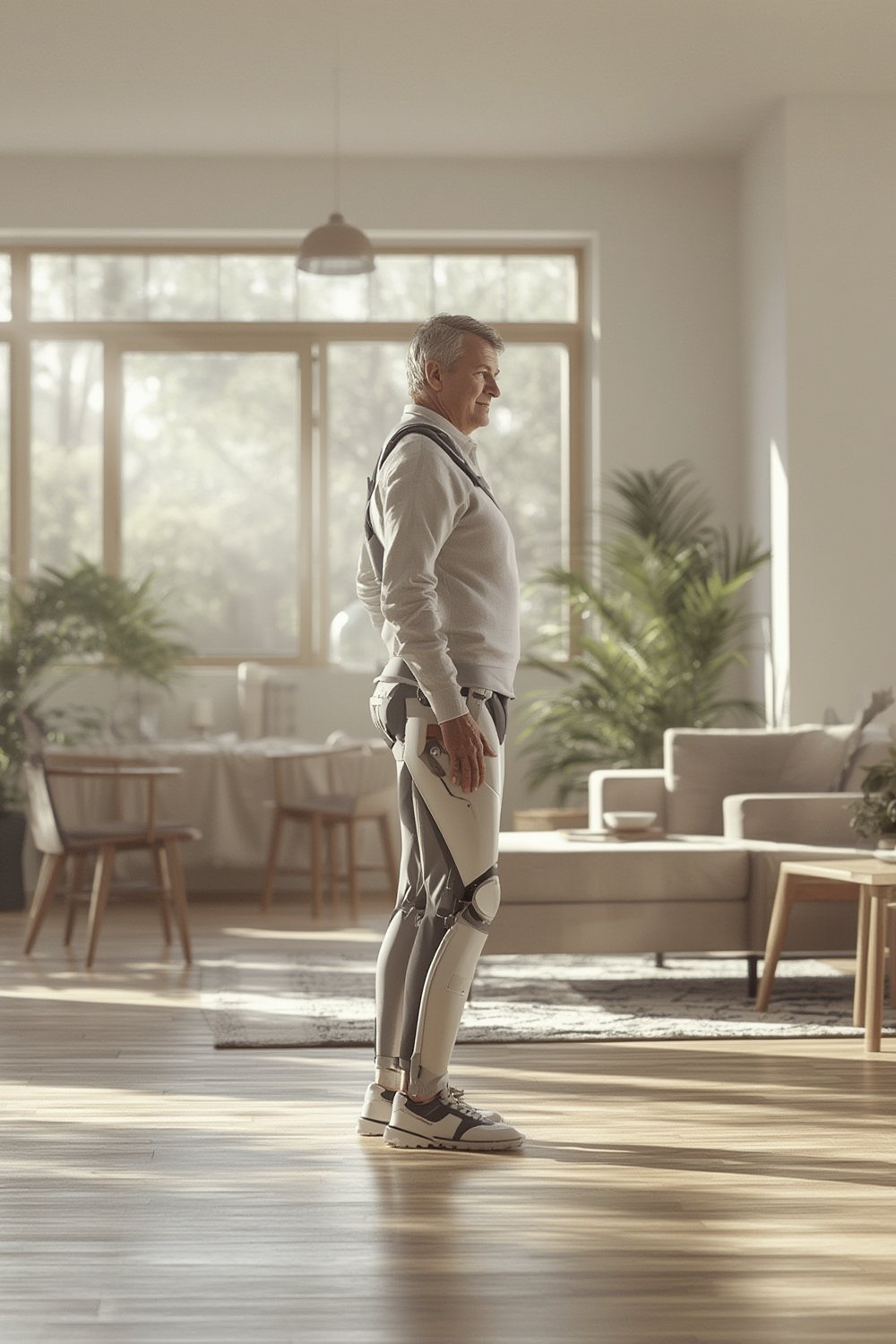
The purpose of a home rehabilitation exoskeleton is to make repetitive, intensive therapy accessible without traveling to a medical facility. Recent models are lighter, more adaptable, and integrated with digital health tracking, enabling remote monitoring and support from healthcare teams.
Studies show that exoskeletons promote faster recovery by enabling neuroplasticity—helping the brain rewire itself through guided, repeated movements. While not a magic fix, these devices can make daily therapy safer, more consistent, and sometimes more motivating than manual home exercises alone.
To see how exoskeletons fit into the wider world of assistive tools for daily living or how they compare to the top home health devices for seniors, check our linked guides.
How to Use a Robotic Exoskeleton for Home Rehabilitation: The Step-by-Step Guide
- Assess Eligibility
Not everyone is a candidate for a home exoskeleton. Work with your physical therapist or rehabilitation physician to confirm your mobility needs, goals, and any health restrictions. - Research and Compare Devices
Seek out recent models such as EksoNR or ReWalk Personal 6.0—but verify if they are truly available for home use and if they fit your size, weight, and therapy plan. - Check Regulatory and Insurance Status
In the US, check for FDA approval and possible insurance reimbursement. In the EU and Asia, regulatory details are less clear, so extra caution is needed before purchase.
See more on US regulatory pathways. - Arrange a Trial or Demonstration
If possible, test the device at a clinic or with a rental to ensure comfort, safety, and ease of use. - Set Up at Home
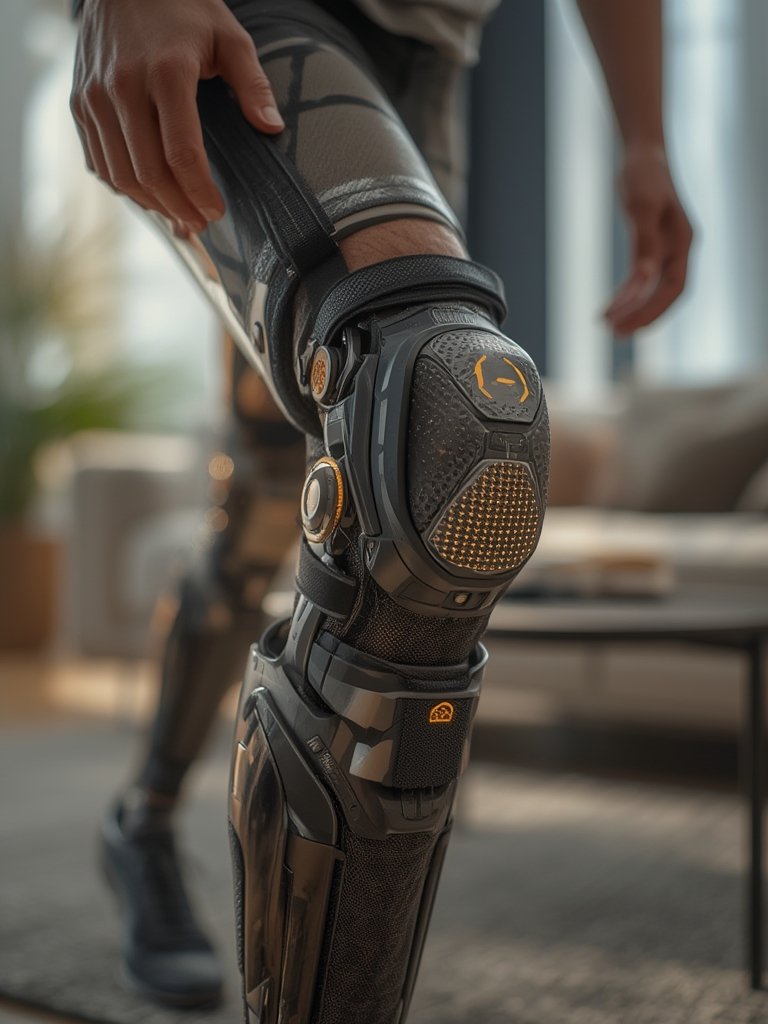
Clear an open, safe area for walking and standing, with supportive flooring and space for a helper if needed. For additional comfort, consider a Large Anti-Fatigue Non-Slip Standing Mat. - Learn Operation and Safety Procedures
Follow all manufacturer instructions for fitting, adjusting, battery charging, donning/doffing, and troubleshooting. Always use any included fall prevention harness or alarms. - Start Slow, Track Progress
Begin with short, supervised sessions. Log walking time, stance, and any unusual events or discomfort. Share data with your healthcare provider. - Seek Ongoing Support
Many brands offer remote monitoring, telehealth consultations, or digital platforms for guidance. Take advantage of any included services.
Want to make your home even more accessible or ergonomic for rehab? Check our ergonomic design for home health guide and our resource on assistive tools for independence.
Advanced Analysis: Cost, Technical Specs, User Challenges, and Pitfalls
The market for robotic home rehabilitation exoskeletons is growing—projected at $1.17 billion globally in 2024 with double-digit annual growth—but actual product choices and information availability vary wildly by region and device type. Here’s what current research tells us and—more importantly—what’s missing that you must know before buying or renting a home exoskeleton.
1. Realistic Cost Expectations and Access Models
Surprisingly, there is little to no public data on real-world prices for home-use exoskeletons. Rental versus purchase differences are unclear. Unlike smaller wearable health monitors or smart mobility aids, most exoskeleton pricing is handled via consultation, making cost transparency a major gap.
2. Technical Specifications: What We Do (and Don’t) Know
Most home exoskeletons released since 2022, like EksoNR and ReWalk Personal 6.0, claim lighter designs and AI-powered adaptability. However, recent product pages rarely reveal hard numbers on:
- Exact device weight
- Battery runtime (in hours/minutes per charge)
- Adjustability for user body size or gait pattern
- Supported body weight range
- Type of control: app-based, manual, hybrid, or automatic
Until more manufacturers publish full specifications, always ask for a detailed spec sheet and have your therapist confirm device compatibility with your needs before proceeding.
| Feature | Typical Clinical Exoskeletons | Home Exoskeletons (Latest Models, Claimed) |
|---|---|---|
| Weight | 20-27 kg | Not published (advertised as “lightweight”) |
| Battery Life | 4–8 hours | Not published |
| Adjustability | Clinic staff handles fit | “Self-adjusting” or “tool-free” claims, specs often missing |
| Supported Body Weight | Up to 100–120 kg | Not listed or request-based |
| Control Systems | Manual & sensor-driven, staff monitored |
Hybrid or app-based controls, but reliability varies |
For current technology trends, see recent robotics market analysis.
3. Regulatory Pathways and Insurance: Know Before You Buy
- United States: The US offers FDA pathways and some insurance coverage for select models, mainly for clinical use. Coverage for home exoskeletons is expanding but not guaranteed for every device or patient.
- Europe and Asia: Data on home-use regulatory approvals and insurance is not readily accessible. In China, growth is driven by policy support, but direct evidence on covered home use is lacking.
North America is the most developed market, holding about 41-46% share thanks to established health infrastructure and spending. If you’re outside the US, double-check with local authorities and your insurance provider for any coverage details before purchase.
4. Gaps in Real-World User Experience
No published user studies detail long-term home use complaints or challenges for exoskeletons. Key concerns usually raised in clinical reports include:
- Discomfort due to fit issues or skin irritation
- Fatigue from device weight or prolonged use
- Setup complexity or need for assistance to put on/take off
- Technical errors—false alarms, unresponsive controls—which may be harder to resolve at home
- High cost/low transparency in pricing
In summary: you must trial the device in your own environment, monitor for issues, and be ready to return or seek support if key functions don’t match your daily needs.
To boost safety and effectiveness, combine exoskeleton therapy with other proven assistive tools for daily living, proper ergonomic design, and (if needed) supervision from family or caregivers.
5. Clinical Evidence—Where Does It Stand?
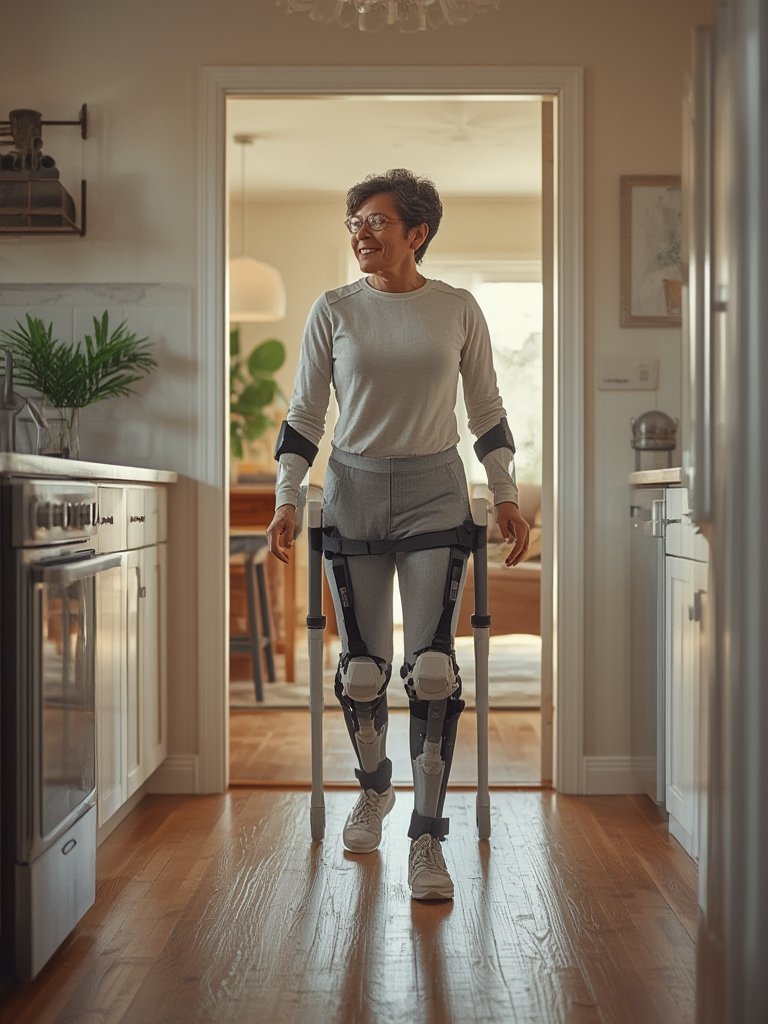
While clinical research supports exoskeletons for improving motor recovery via repetitive movement after stroke or spinal injury, direct comparisons with traditional home therapy are rare. There are no robust clinical trials published (as of 2024) specifically for home exoskeleton use in elderly or stroke patients. For solid reference, see industry research summaries.
Conclusion & Next Steps
Installing and using a robotic home rehabilitation exoskeleton is an exciting opportunity for people seeking independence after stroke or injury. But buyers should demand full technical specs, arrange supervised trials, and get clear insurance or regulatory guidance for their region. If you are considering the next generation of robotic home rehabilitation exoskeleton technology, always research thoroughly and consult with rehabilitation professionals before you commit.
Want simple, practical upgrades for your home? Explore our guides on ergonomic home office comfort and accessible home offices for disabilities.
Ready for your next step? Contact a rehabilitation clinic, request an in-home demo if possible, and ask for transparent quotes and user support details before buying a robotic home rehabilitation exoskeleton.
Frequently Asked Questions
How much does a home rehabilitation exoskeleton cost?
There is no public data for precise prices. Expect consultation-based quotes only. Always request a detailed written estimate and inquire about rental versus purchase options before deciding.
Are home exoskeletons covered by insurance?
Some US insurers cover FDA-approved models, mainly for clinical use. Home coverage is growing but not universal. In other regions, policies vary or are unclear—check with your provider.
What technical specs should I ask about before buying?
Request written details on device weight, battery life, adjustability, body weight supported, and control systems. Also, ask for reliability and maintenance information.
Can I use these devices without a therapist?
Initial sessions should be supervised by a professional for safety and correct setup. Some users may perform later sessions alone, but supervision is always recommended when starting or after adjustments.
What are the key risks of using a robotic exoskeleton at home?
Main risks include device malfunction, poor fit causing discomfort or skin issues, and falls if not used correctly. Always follow setup, safety, and maintenance procedures strictly.