


### Blog Post:
Occupational therapy home modification is the practical application of making your home safer and easier to live in as you grow older or deal with a disability. In 2024, more families are looking for ways to adapt living spaces, but they often face hidden challenges, costs, and uncertainties. If you want honest answers and actionable steps to improve home safety with occupational therapy, you are in the right place.
Key Takeaways
- Occupational therapy home modification can reduce fall risks by up to 26%, but adherence is often limited by cost and logistical barriers.
- Grab bars, handrails, and clutter removal provide some of the highest impact; however, technical standards for installation are rarely specified in public data.
- Out-of-pocket costs average $448 per modification, with coverage, regional price differences, and Medicare eligibility for 2026 still unclear.
- What Is Occupational Therapy Home Modification and Why Is It Essential?
- Step-by-Step Guide to Effective Home Modifications
- Advanced Analysis & Common Pitfalls to Avoid
- Conclusion
- Frequently Asked Questions
What Is Occupational Therapy Home Modification and Why Is It Essential?
Occupational therapy home modification is the process where skilled occupational therapists assess your home and recommend changes or add adaptive equipment to promote safety, independence, and daily living for older adults or those with disabilities. This method isn’t about luxury upgrades—it’s about preventing falls, reducing injury risk, and maintaining quality of life at home.
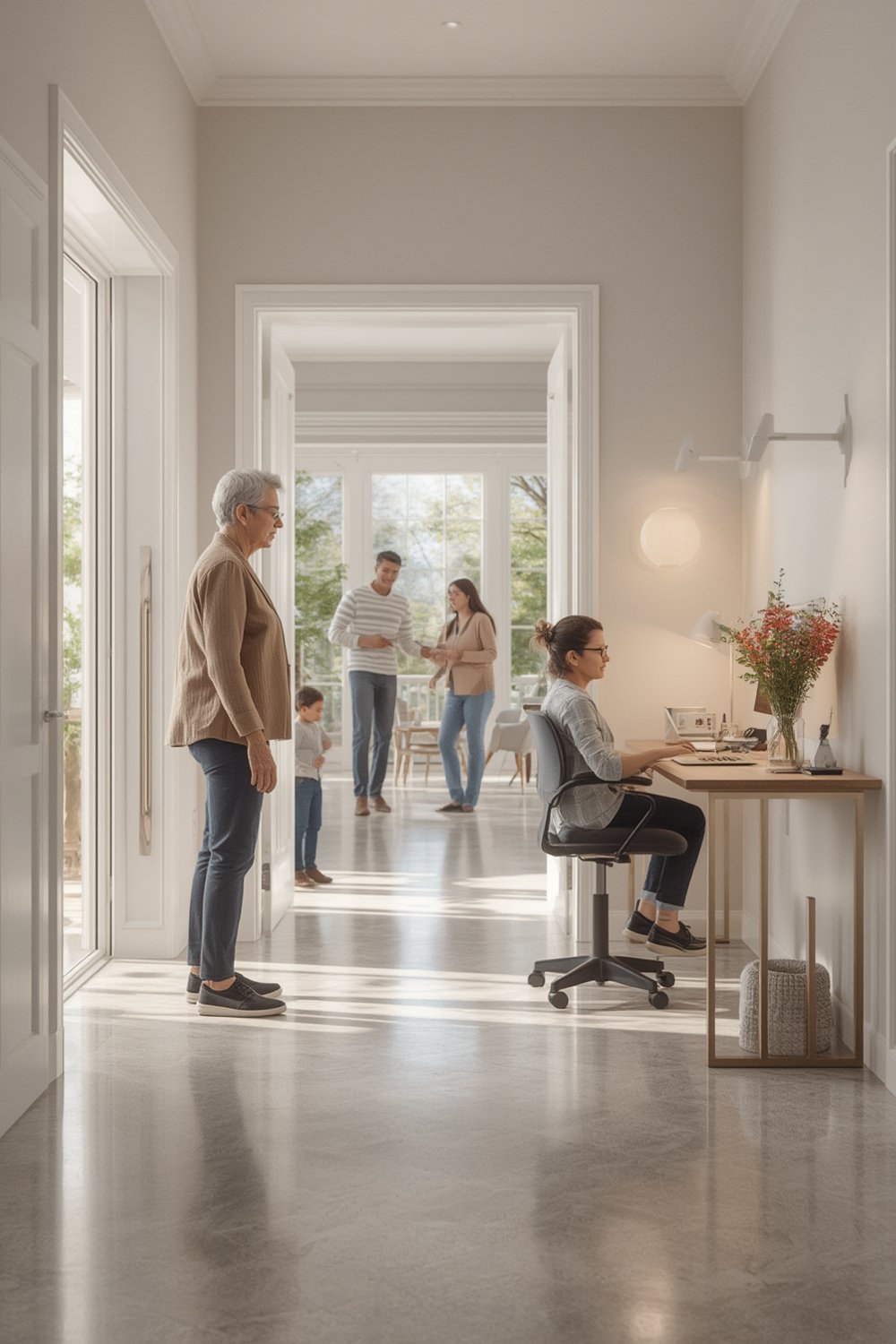
Why does this matter? Falls remain one of the biggest threats to independence for seniors. According to a 2024 CDC report, one in four older adults will experience at least one fall this year. However, research shows that targeted home modifications—like installing grab bars and handrails—can reduce the rate of falls by 26% and cut fall injury treatment costs by 33% over three years (source).
Despite the clear benefits, many families struggle to access affordable, quality modifications or are unsure which solutions make the most difference. Next, let’s break down a practical, step-by-step approach to get results.
Step-by-Step Guide to Effective Home Modifications
Ready to make your home safer? Here’s how to engage occupational therapy home modification services and successfully implement changes.
-
Schedule an OT Home Assessment
Begin by contacting a licensed occupational therapist (OT) who specializes in aging-in-place or home safety. You can find providers through hospitals, home health agencies, or local senior centers. Ask if they have experience with your type of home and mobility needs. -
Prioritize High-Impact, Low-Cost Fixes
The most evidence-based changes include:- Grab bars in bathrooms and around stairs
- Handrails in hallways and entryways
- Non-slip mats or strips in wet areas
- Shower chairs and raised toilet seats
- Removing clutter and loose rugs
For more ideas, check out these assistive tools for daily living that boost home safety.
-
Budget and Get Bids
The average cost of a single home modification is around $448, but prices vary depending on the region and contractor (source). Get at least two bids for installation, and ask if the contractor has insurance and experience with accessibility upgrades. -
Coordinate Funding or Reimbursement
Medicare coverage and funding assistance remain uncertain for 2026 and beyond. Always ask your OT to provide documentation in case insurance, Medicaid Waivers, or veterans programs can assist with the cost—even though coverage details are currently unclear. -
Supervise Installation
Whenever possible, have the OT or a family member oversee the final installation of grab bars or ramps. Proper placement and secure mounting (not just using drywall anchors) are critical for safety. For additional context on device integration, see our guide to home health devices for seniors.

- After modifications, review and rehearse how to use new tools (like chair lifts or adaptive kitchen utensils). This encourages safe, independent, and consistent use.
- Monitor adherence. Regular check-ins by the OT or family can confirm that modifications are still meeting the user’s needs—see our practical tips on assistive tools for independence.
Don’t overlook the small details. For example, some of the most helpful solutions for arthritis are adaptive kitchen utensils with built-up handles—learn more in our complete guide to adaptive grip kitchen tools.
Advanced Analysis & Common Pitfalls to Avoid
Even the best-intentioned modifications can fall short if you miss key factors. Here are common pitfalls and real-world barriers:
- Financial Barriers: Cost is the top complaint, with average modifications costing $448 and rarely covered by insurance (source).
- Installation Delays: Finding trustworthy, experienced installers is often difficult; contractors may not prioritize home modifications or may lack familiarity with OT recommendations.
- Low Adherence: Upgrades only work if they’re used. Some older adults are reluctant to add rails or change long-standing habits. Missed or poorly explained recommendations lower long-term benefit.
- Unclear Standards: Publicly available data lacks detail on building codes and technical standards for grab bar or ramp installation. This increases risk if modifications are poorly executed or non-compliant.
- Coverage Gaps: No clear Medicare guidelines exist for 2026 on which modifications or documentation requirements qualify for coverage.
- Lack of “Invisible” Upgrades: Top competitors often miss smaller upgrades, like extra lighting in hallways, voice controlled home health devices, or kitchen accessibility tools. Consider equipment such as a voice controlled home health device for added convenience.
| Issue | How It Impacts Success | Suggested Solution |
|---|---|---|
| Costs not covered by insurance | Delays or prevents needed modifications | Seek local grants, ask OT for alternative affordable strategies |
| Installer unfamiliar with accessibility | Risk of unsafe installations | Use installers recommended by OTs or certified by senior safety programs |
| Owner refuses safety changes | Low adherence, continued fall risk | Include user in decision-making, show real-life success stories such as those in assistive tools for independence. |
| Gaps in follow-up or maintenance | Modifications become unsafe over time | Set reminders for periodic safety reviews and troubleshooting |

Conclusion
Occupational therapy home modification is a proven way to prevent falls, support independence, and cut long-term healthcare costs. However, high expenses, limited guidance on technical standards, and spotty insurance coverage mean families must take an active, realistic approach. Focus first on high-impact changes like grab bars and de-cluttering, seek bids from professionals, and always keep the older adult engaged in decisions. With the right plan, occupational therapy home modification can transform daily living safely and affordably. Ready to make your space safer? Consult with an OT and download our full home safety checklist to get started today.
Frequently Asked Questions
Do I need a prescription or referral to access occupational therapy home modification services?
Many OTs require a referral from your primary care provider, but in most cases, you can start by contacting a local home health agency or private OT practice directly. For insurance reimbursement, a doctor’s note is often needed.
What if my parent refuses to add grab bars or modify the home?
This is common. Focus on collaborative decision-making and share real-life improvement stories. Remind them that modifications like non-slip mats or chair lifts are about maintaining independence, not taking it away.
Are there funding sources to help cover modification costs?
Medicare coverage remains unclear for most home safety modifications in 2026. Some local nonprofits, Medicaid Waiver programs, and veterans’ organizations may offer grants or funding. Always check with your local Area Agency on Aging.
How can I verify a contractor knows how to install accessibility equipment correctly?
Ask for certifications or proof of recent similar projects. Occupational therapists often have lists of vetted installers, and programs like “Aging in Place” or “Senior Safe Home” may certify contractors.
Where can I find more examples of assistive home tools?
Explore our guide on assistive tools for daily living for practical product recommendations that make daily tasks safer and easier.