


Ergonomic bed wedge pillow sleep apnea solutions are gaining attention among those seeking natural ways to reduce snoring, acid reflux (GERD), and mild obstructive sleep apnea symptoms. This guide breaks down what really works, step-by-step setup, common pitfalls, and unique buying considerations for 2026 and beyond.
Key Takeaways
- Wedge pillows with a 30-40 degree incline help some back sleepers reduce snoring and acid reflux, but they are not a cure for moderate or severe sleep apnea.
- Comfort issues are common—side sleepers and users with longer torsos may struggle, and excessive elevation can cause head slumping or discomfort.
- Best 2026 models use gel-infused memory foam, firm support, and adjustability, but always consider long-term durability, hypoallergenic washable covers, and cleaning procedures.
- What Is an Ergonomic Bed Wedge Pillow for Sleep Apnea and Why Use One?
- How to Set Up and Use a Bed Wedge Pillow for Sleep Apnea: Step-by-Step
- Advanced Analysis and Common Pitfalls
- Conclusion: Should You Try a Bed Wedge for Sleep Apnea or Acid Reflux?
- Frequently Asked Questions
What Is an Ergonomic Bed Wedge Pillow for Sleep Apnea and Why Use One?
An ergonomic bed wedge pillow for sleep apnea is a dense, angled cushion designed to prop up your upper body during sleep. The goal is to elevate your head and torso by 30-40 degrees—usually translating to 7-12 inches of height—keeping your airways more open and reducing the risk of throat tissue blocking normal breathing. For GERD and snoring, the same elevation helps prevent stomach acid from reaching the throat and can reduce vibration in the airways.

Medical experts generally don’t consider wedge pillows a substitute for CPAP therapy in moderate or severe obstructive sleep apnea, but they may offer practical benefits for mild sleep apnea, persistent snoring, and acid reflux [source]. Most evidence supporting wedge pillows comes from user reports and sleep positioning research, rather than controlled clinical trials [source].
Key features evolving for 2026 include: CertiPUR-US gel-infused memory foam, hypoallergenic washable covers, and design tweaks for optimal incline and support [source].
How to Set Up and Use a Bed Wedge Pillow for Sleep Apnea: Step-by-Step
- Choose Your Incline and Dimensions: For most adults, a wedge pillow with 10-inch elevation (30-40 degrees) offers a balance of support and comfort. If you’re new, consider a slightly shorter (7-8 inches) wedge for easier adaptation.
- Select the Right Material: gel-infused memory foam is both durable and less likely to overheat than classic foam. Hypoallergenic, removable covers are essential for regular washing.
- Correct Placement: Place the pillow with the higher end under your upper back and shoulders, not just under your head. Your hips and lower back should remain flat on the mattress.
- Optimize Your Sleep Position: Wedge pillows are most effective for back sleepers. If you switch to side sleeping, use additional support under your knees or legs to prevent sliding.
- Combine With Other Therapies (If Needed): Weight management and oral appliances may enhance benefits, especially if your sleep apnea is mild.
- Set Up Cleaning and Maintenance: Wash removable covers weekly. Replace your wedge every 2-3 years if you notice significant foam flattening or loss of support.
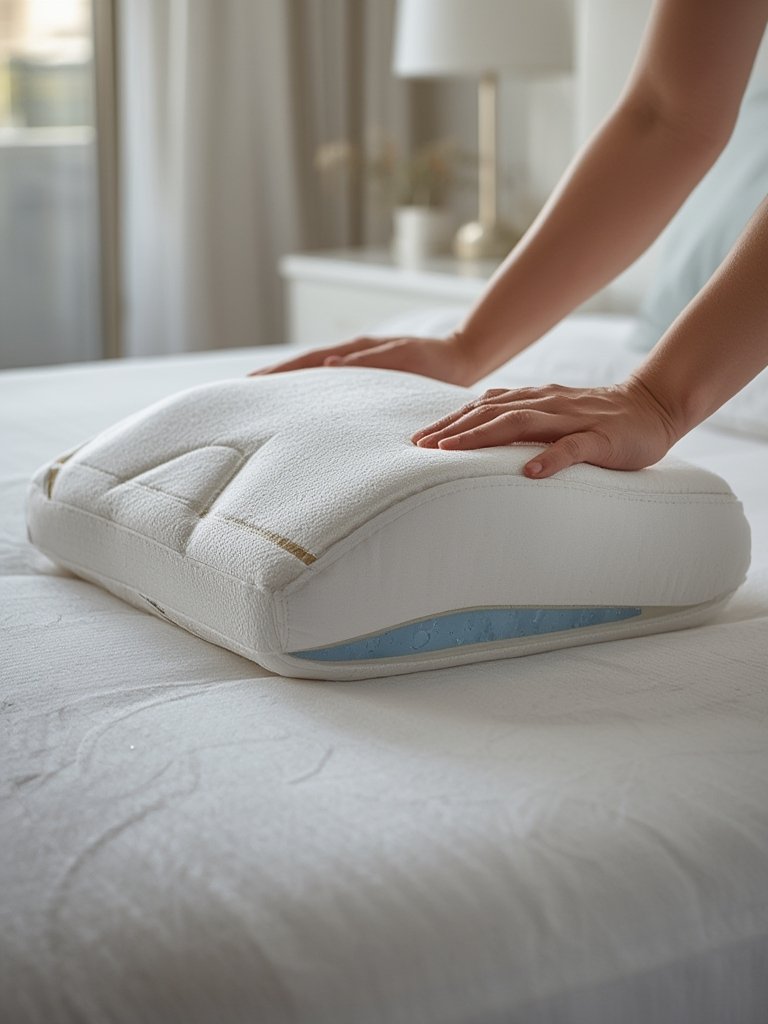
Pairing your wedge pillow with other assistive tools, such as assistive devices for daily living, can make bedtime routines easier, especially for seniors or those with mobility concerns. If you’re looking for broader comfort, check out our guide on ergonomic design trends in home health for 2026.
Advanced Analysis and Common Pitfalls
User Pain Points and Negative Reviews
- Head Slumping Forward: If your head tilts forward while on the wedge, airway blockage can worsen. This commonly happens with pillows exceeding 10 inches for users with short torsos (source).
- Insufficient Comfort for Side Sleepers: Most wedge designs cater to back sleepers. Side sleepers may notice shoulder strain or find the slope too rigid for comfort.
- Firmness Complaints: High-density foam is supportive but can feel too hard, especially for users used to plush, traditional cushions. Memory foam may provide better contouring than basic foam, but still feels stiffer than standard pillows.
- Sizing Mismatch: Users with long torsos and short legs may feel “too far up the slope,” reducing comfort and increasing the risk of sliding down at night.
- Cleaning and Longevity: Without washable, hypoallergenic washable covers, pillows may accumulate allergens. Memory foam can begin to degrade after 2-3 years, especially if not properly maintained.
- Not a Substitute for CPAP: Wedge pillows may help mild OSA but are ineffective as standalone treatments for moderate to severe sleep apnea. If symptoms persist, seek medical advice.
Comparison Table: Adjustable vs. Standard Memory Foam Wedge Pillows
| Feature | Adjustable Bed Wedge Pillow | Standard Memory Foam Wedge Pillow |
|---|---|---|
| Typical Price (2026) | $90–$130 | Under $110 (often ~$100 on sale) |
| Materials | High-density foam with removable layers or inserts | Gel-infused high-density memory foam, single piece |
| Incline Customization | Fine-tuning height (7–12 inches) and angle | Fixed angle (7, 10, or 12 inches) |
| Ideal For | Personalized fit, users with changing needs | Users preferring simplicity and durability |
| Warranty | Variable, brand dependent (often 1–5 years) | Not always disclosed; value in durability |
| Maintenance | Multiple parts, more cleaning steps | Single-piece, easier care routine |
Material and Incline Advances
Innovations like CertiPUR-US gel-infused memory foam address overheating and flattening issues. Some premium models, like Avocado Organic Latex, use plant-based latex for cooling and resilience. Inclines between 30–40 degrees work best for most back sleepers, but excessive elevation can backfire—causing head slump or increased back tension.
Long-term clinical data quantifying reductions in apnea-hypopnea index (AHI) or GERD episodes per incline or material type are still lacking. For now, recommendations are based on ergonomics and user experience, not large-scale trials.
Maintenance and Integration Tips
- Wash covers weekly and vacuum foam surfaces to minimize allergens.
- Replace the pillow every 2–3 years to avoid loss of support from compressed foam.
- Combine wedge pillow use with weight loss strategies or oral appliances for better results in mild cases.
For broader senior health and independence solutions, see these expert picks on home health devices for seniors in 2026 and check out our latest tips for assistive tools that restore independence.

Conclusion: Should You Try a Bed Wedge for Sleep Apnea or Acid Reflux?
An ergonomic bed wedge pillow sleep apnea setup can help some people find relief from snoring and nighttime reflux, especially back sleepers with mild symptoms. The right incline, quality materials, and proper positioning matter more than fancy branding. If you struggle with side sleeping, comfort, or moderate sleep apnea, try alternatives or consult a professional. For most, starting with a 10-inch gel-infused memory foam model with a hypoallergenic washable cover offers a cost-effective, low-risk trial. Ready to reclaim your nights and mornings? Choose a pillow that matches your needs and take the first step toward better sleep.
Frequently Asked Questions
Can a bed wedge pillow replace my CPAP for sleep apnea?
No, wedge pillows cannot replace a prescribed CPAP for moderate or severe sleep apnea. They may help reduce mild sleep apnea symptoms but should not be used as a substitute for medical treatment [source].
What incline should I choose for reflux or apnea relief?
A 30-40 degree incline (typically 10 inches high) works best for most adults. Too steep can cause discomfort or airway collapse, while too shallow may not offer enough relief [source].
How often do I need to clean my wedge pillow?
Wash removable covers weekly and vacuum or wipe foam monthly. Replace the pillow every 2-3 years as foam loses its shape or support.
Can side sleepers use a wedge pillow for sleep apnea?
Most wedge pillows are designed for back sleepers. Side sleepers often find the slope uncomfortable, but some report better results when a leg pillow or knee bolster is added for extra support.
What are the best features to look for in a 2026 wedge pillow?
CertiPUR-US gel-infused memory foam, 10-inch incline, hypoallergenic washable cover, and high-density support foam. Adjustable Bed Wedge Pillow offer customization but may involve more maintenance.
—