


Cervical neck traction device home use is becoming a popular self-care solution for people with persistent neck pain, stiffness, or cervical disc problems. But do these home-use devices actually work, and are they safe for everyone? Here’s what real evidence and best practice say.
Key Takeaways
- No recent clinical studies (2023–2024) confirm strong long-term benefits or safety of home-use cervical traction devices for relieving neck pain or herniated disc symptoms.
- Manual therapy and other alternatives are often more effective, with traction providing at best short-term pain relief for some users.
- Always consult a healthcare professional before using a cervical neck traction device at home, especially if you have complicated or severe symptoms.
- Understanding Cervical Neck Traction Device Home Use
- How to Use a Cervical Neck Traction Device at Home
- Advanced Analysis & Common Pitfalls
- Conclusion
- FAQ
Understanding Cervical Neck Traction Device Home Use
Cervical traction is a technique that gently stretches the neck to relieve pressure on the spinal discs and nerves. Home-use cervical traction devices aim to make this therapy accessible for people who want to manage neck pain between clinic visits, especially if they have conditions like cervical radiculopathy (herniated disc), nerve impingement, or general chronic neck discomfort.
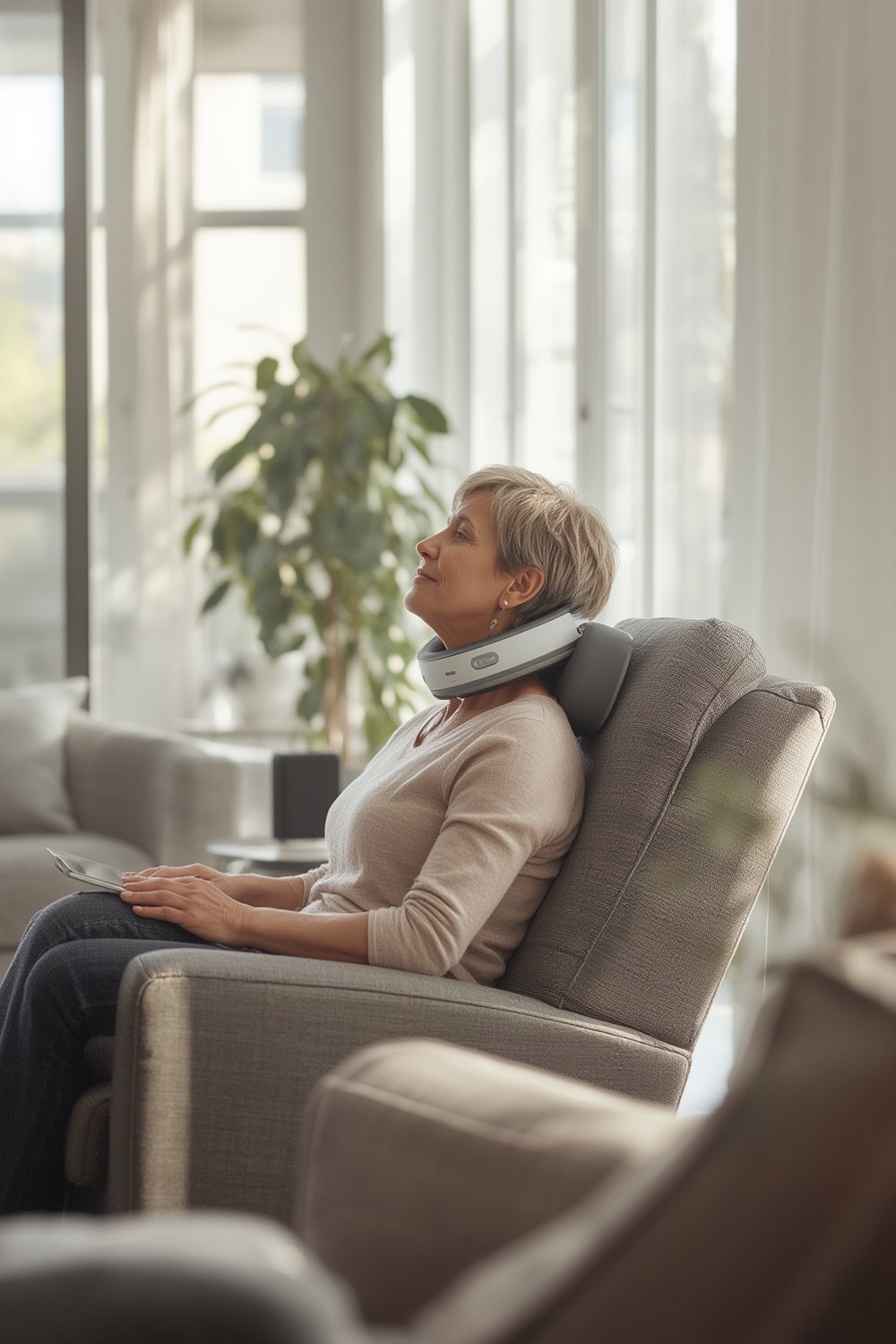
Most home cervical traction devices come in one of three forms:
- Over-the-door kits: Use a rope and pulley system to apply traction as you sit in a chair, often with a water bag as a counterweight.
- Inflatable collars: Use air bladders to support and gently lift your head.
- Portable stretchers or mechanical devices: Use levers, pumps, or springs to control the degree and duration of traction.
While the goal is to decompress spinal structures and reduce pain, the effectiveness for at-home use is not robustly supported by updated clinical research. A network meta-analysis (source) suggests manual therapy alone is often superior to traction for improving daily function and pain scores, while some limited older studies (source) found modest, short-term benefits when combined with exercise.
How to Use a Cervical Neck Traction Device at Home
Proper use of a cervical neck traction device at home is crucial for both safety and results. Here’s a step-by-step guide based on real-world experience and available research:
- Consult Your Provider: Always talk to your doctor or physical therapist before starting home traction, especially if you have a known disc herniation, severe pain, or nerve symptoms.
- Choose the Right Device: Pick a device that matches your needs and physical ability. Over-the-door kits offer strong traction but can feel bulky. Inflatable collars are lightweight, but provide less force.
- Prepare Your Space: Set up your device according to instructions. Make sure the room is quiet, and you have privacy and a stable chair or support.
- Adjust the Fit: Fasten all straps securely but not tightly. Keep your head in a neutral position, not tilting forward or backward.
- Set the Traction Force: Most guidelines recommend starting with 7–10% of your body weight, working up gradually. Never exceed the recommended force on your device manual.
- Session Duration: Begin with 5–10 minutes for the first session. Over time, sessions may increase up to 15–20 minutes if tolerated and approved by your provider.
- Monitor Symptoms: If you feel dizziness, nausea, numbness, or get a headache, stop immediately and consult your provider.
- Clean and Store: Wipe down the device after use and store in a dry, safe place.
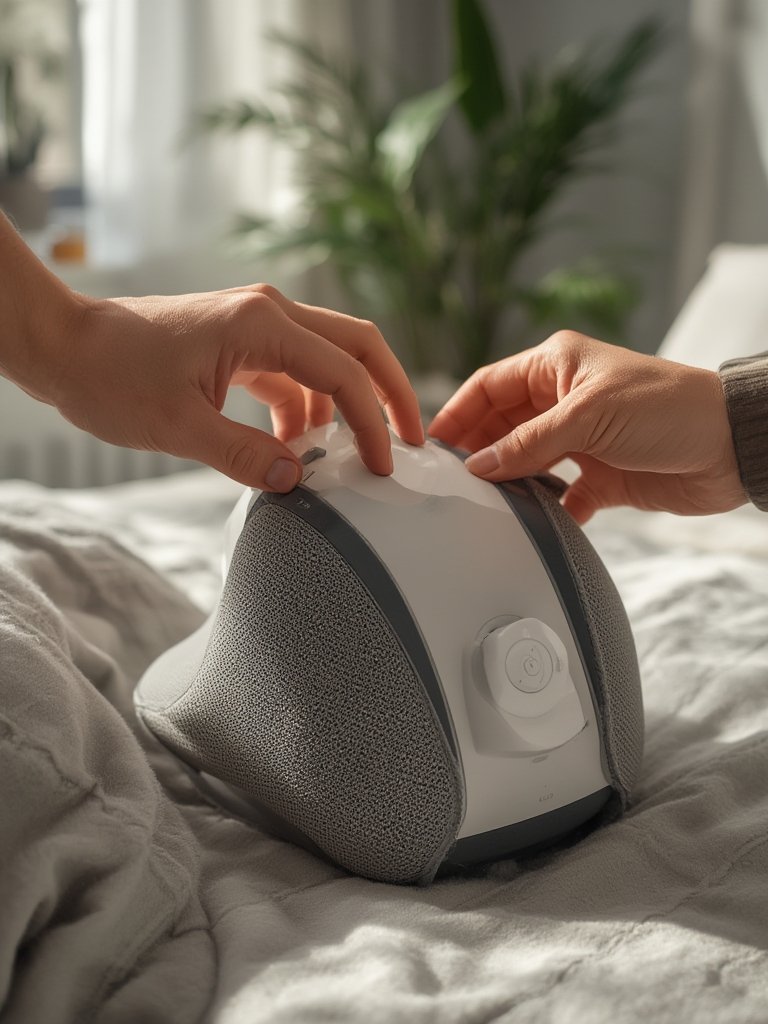
If you have decreased hand strength or dexterity, consider incorporating paired assistive tools for daily living to adjust and manipulate your traction device, or seek help from a caregiver.
Advanced Analysis & Common Pitfalls
Despite their widespread marketing, home cervical traction devices present several limitations, trade-offs, and risks. Here’s what to realistically expect—and avoid.
- Lack of Strong Evidence: Recent clinical trials (source) have not demonstrated clear long-term benefit of at-home cervical traction versus manual therapy or exercise. Most observed effects are short-lived.
- No Price, Warranty, or Feature Transparency: There’s almost no published data comparing cost, warranty, or real-life lifespan across home traction devices. Be ready to contact manufacturers directly or check reputable health technology reviews like in this guide to home health devices for seniors.
- No Published User Complaints or Outcomes: Neither independent studies nor user forums offer reliable lists of common user complaints for specific devices. Beware of sensationalized marketing claims not backed by third-party reviews.
- Safety Uncertainties: No official guidelines outline contraindications for home use. Some studies cite optimal traction force near 10% body weight (source), but do not specify for at-home users. Possible but unproven risks include worsened pain, nerve irritation, or dizziness.
| Factor | Home Traction Devices | Manual Therapy/Professional Care |
|---|---|---|
| Clinical Evidence (2023–2024) | Weak/inconclusive | Robust for manual therapy and exercise |
| Ease of Use at Home | Moderate (requires setup, dexterity) | High (administered by a provider) |
| Custom Safety Guidance | Lack of specific at-home safety rules | Provider supervises, adjusts for contraindications |
| Technology Advances | Minimal info on upgrades or features | Access to advanced clinical equipment |
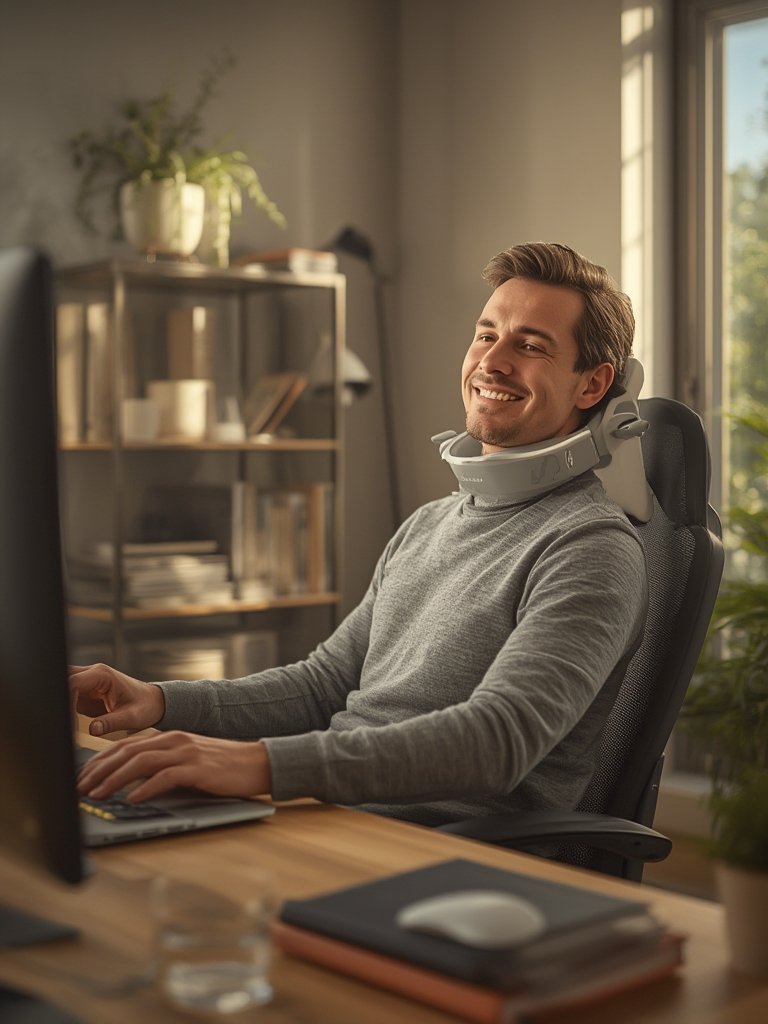
To add multi-modal comfort and productivity tools at home or improve your ergonomic setup, consider pairing traction sessions with an posture wearable monitor to enhance overall spinal health.
Conclusion
Current evidence suggests home-use cervical traction devices may offer short-term comfort for some, but lack strong proof for lasting neck pain or herniated disc relief. Many users may benefit more from manual therapy or professional guidance, so always review your options with your provider. If you choose to use a cervical neck traction device home use kit, prioritize safety, start slowly, and track your symptoms keenly. For broader independence in self-care, explore other assistive tools for independence and ergonomic upgrades designed for reliable home use.
Want more practical guides and unbiased reviews on adaptive health technology? Browse this expert roundup of home health devices for seniors or ergonomic news for home office comfort.
Take charge of your health—start a symptom journal or bring your questions to your next provider visit before buying any home cervical traction device.
FAQ
Are cervical neck traction devices safe for home use?
There is no conclusive evidence they are always safe for every user. Lack of specific safety guidelines means you should always consult with a physical therapist or physician before beginning any at-home cervical traction.
Can home cervical traction devices cure herniated discs?
No, current studies do not support a cure for herniated discs using home traction devices. They may provide modest, temporary symptom relief for some users but do not offer long-term correction or healing.
What should I do if I feel worse after traction?
Stop using the device right away and consult your healthcare provider, especially if you develop new neck pain, numbness, dizziness, or severe discomfort.
How often can I use a home cervical traction device?
Frequency depends on device type, your pain level, and your provider’s recommendation. Typically, sessions begin at a few times per week, lasting 5-20 minutes, but you should never exceed recommendations in your user manual or from your healthcare provider.
Are there alternatives if I can’t tolerate traction?
Yes. Research suggests manual therapy, stretching, and targeted exercises may be more effective and are often better tolerated. Explore modern assistive tools for daily living if you have limited neck mobility or coordination.