


### Blog Post:
AI home rehabilitation therapy platform solutions are rewriting what’s possible for in-home recovery, making advanced physical therapy and occupational rehab accessible from your living room. Is this future as seamless as advertised, or do users encounter unexpected challenges? This comprehensive guide reveals everything you need to know—from market growth, core features, critical barriers, to unbiased pros and cons—so you can make informed decisions about adopting AI home rehab technology.
Key Takeaways
- AI home rehabilitation therapy platforms promise personalized care, real-time feedback, and data-driven recovery for patients at home.
- Adoption is rapidly increasing, especially among seniors and post-surgical patients, but digital literacy gaps and device access remain major hurdles.
- Despite many advantages, real-world challenges include costs, variable clinical validation, and regulation gaps—understanding these is crucial before choosing a platform.
- What Is an AI Home Rehabilitation Therapy Platform?
- How to Start Therapy at Home with AI: Step-by-Step Guide
- Advanced Analysis and Common Pitfalls
- Conclusion
- FAQ
What Is an AI Home Rehabilitation Therapy Platform?
An AI home rehabilitation therapy platform uses artificial intelligence—often paired with wearable devices, motion sensors, and virtual coaching—to deliver personalized rehabilitation directly to your home. These platforms typically offer guided exercises, real-time feedback, monitoring, and progress tracking for conditions such as post-surgical recovery, stroke, injury, and chronic diseases.
The “why” is clear: AI rehab platforms address the need for convenient, effective therapy outside clinical settings, aiming to boost adherence, improve outcomes, and reduce costs. Interest is surging—in the US alone, the AI in physical therapy market is projected to hit USD 224.54 million by 2026, with the fastest growth driven by homecare and elderly users. Globally, home rehabilitation services are expected to reach $149.3 billion in market value by 2034, with AI integration accelerating patient engagement and augmenting clinical services (source).
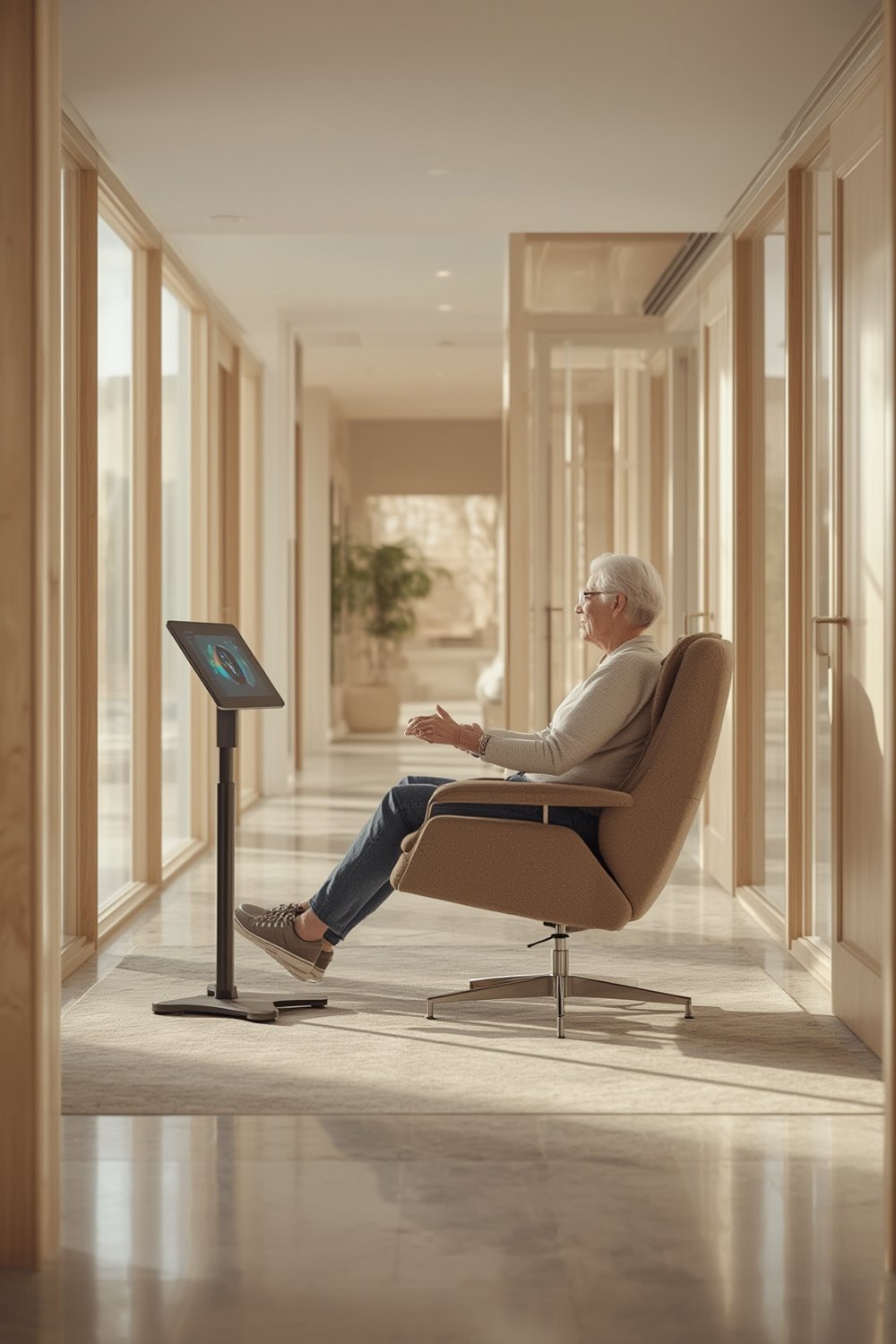
Key features of top solutions include:
- Personalized exercise programs adapting to user progress
- Real-time motion tracking and feedback (often via smart wearables)
- Telehealth integration for remote therapist support
- Automated progress monitoring to enable data-driven adjustments
- Cloud-based storage for seamless sharing of therapy data
This technology is especially significant for seniors, people with chronic conditions, and those facing transport or cost barriers for traditional in-clinic therapy. If you want to explore related ways technology supports independence, see these success stories on assistive tools and top home health devices for seniors.
How to Start Therapy at Home with AI: Step-by-Step Guide
Getting started with an AI home rehabilitation therapy platform is straightforward, but taking the right steps dramatically improves success and safety. Follow this sequence for best results:
- Identify Your Needs: Consult your physician or physical therapist to determine if AI-guided home rehab is suitable for your condition and goals.
- Research Platforms: Investigate which platforms offer FDA clearance or other relevant certifications. Prioritize platforms featuring AI-powered personalization, real-time feedback, and support for your particular rehab scenario.
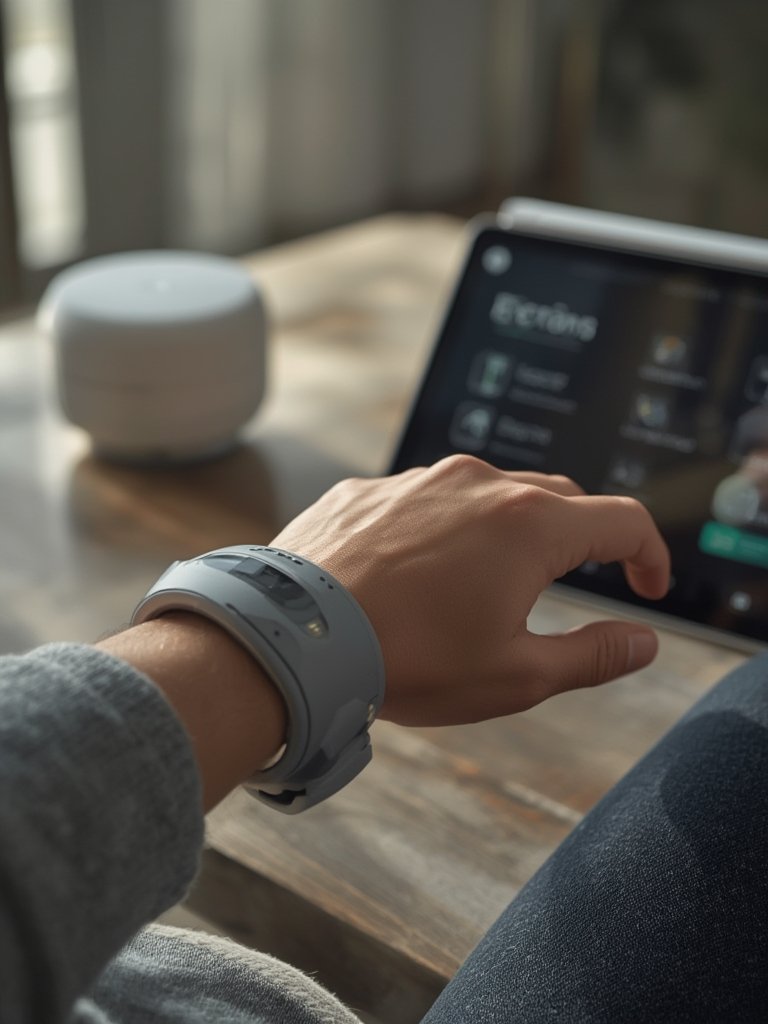
- Check Device & Connectivity Requirements: Most AI home rehab solutions require a smartphone or tablet, internet access, and, often, additional wearable sensors. Confirm compatibility before purchase.
- Evaluate Costs & Insurance: Some platforms work on a monthly subscription (typically $30-$60/month), while others may involve up-front device fees. Check with your insurance or Medicare for potential reimbursement. Ask about hidden charges upfront.
- Assess Privacy & Data Security: Choose a provider compliant with recognized standards such as HIPAA in the US or GDPR in Europe, as personal health data is sensitive (learn more about privacy risks here).
- Onboarding & Personalization: Most platforms use an initial assessment—sometimes guided by a remote therapist—to establish your movement baseline and create a tailored exercise program using AI algorithms.
- Daily Use & Feedback: Engage with the app or device, perform exercises, and use real-time feedback (visual, audio, or haptic) to correct your movements. Share progress reports with your clinician if needed.
- Periodic Reassessment: Any effective AI platform should adapt your routine as you progress. Open channels for support or troubleshooting whenever obstacles arise.
Remember, AI therapy at home does not fully replace the need for human therapists or specialized clinical care, especially for complex or severe cases. Always maintain open communication with your healthcare provider—hybrid care often yields the best results.
Want to explore other adaptive technology that accelerates healing and independence at home? Check out our guide to assistive tools for daily living and innovative ergonomic design for home health.
Advanced Analysis and Common Pitfalls
While the promise of AI-powered home rehabilitation is exciting, actual user experiences reveal several pitfalls worth considering. Here are the most commonly reported obstacles—gathered from research and analysis of user feedback:
- Digital Literacy Barriers: Elderly users and those unfamiliar with smart devices often need support for onboarding and troubleshooting, meaning adoption lags among the groups who could benefit most.
- Technology Access Gaps: Reliable internet and compatible devices aren’t universal, so potential users may not be able to leverage platforms effectively.
- High Upfront Costs: While long-term costs compare favorably to traditional therapy, initial device fees and software subscriptions can be prohibitive, especially if not covered by insurance.
- Inconsistent Clinical Validation: Although AI platforms often improve engagement, real-world outcome comparisons vs. in-person therapy remain limited. Personalized programs boost adherence, but many platforms lack robust, peer-reviewed validation studies (see analysis).
- Standardization Issues: Protocols, feedback types, and quality of AI recommendations vary significantly between platforms, making selection complicated and outcomes unpredictable.
- Data Privacy & Security: Cybersecurity threats, unclear data handling practices, and limited regulatory oversight raise concerns (see source).
| Aspect | AI Home Rehab Platforms | Traditional In-Clinic Therapy |
|---|---|---|
| Personalization | Automated, data-driven, real-time adaptation | Manual, therapist-driven; adjusts over time |
| Access & Convenience | Anytime at home; telehealth support | Requires travel, office hours |
| Clinical Validation | Early evidence, but few large studies | Gold-standard, decades of outcomes |
| User Barriers | Tech know-how, device/internet access needed | Minimal tech barriers |
| Privacy & Regulation | Evolving; some compliance gaps | Strict oversight; established norms |
| Cost Transparency | Varies, subscriptions/devices; can lack clarity | Usually covered by insurance |

Some clinics and patients have overcome these hurdles through the use of hybrid solutions—combining AI monitoring with intermittent clinic visits. Likewise, pairing AI with devices like remote patient monitoring wearables or smart rollators further bridges gaps for high-risk or tech-challenged users.
Conclusion
AI home rehabilitation therapy platforms have unlocked new levels of convenience, personalization, and efficiency for at-home physical and occupational therapy. Rapidly expanding market adoption, especially among seniors and post-op patients, shows their potential—but digital literacy, clinical evidence, and real regulatory clarity remain challenges.
For most users, beginning with a reputable, clinically supervised platform—while being aware of tech and privacy pitfalls—offers the optimal balance of innovation and safety. Take time to compare features, probe for hidden fees, and always consult your provider before relying solely on home-based solutions. The future is here, but an informed, realistic approach will unlock the best outcomes from any AI home rehabilitation therapy platform.
Ready to regain mobility and independence? Explore available AI home rehab platforms, then consult your doctor to craft the right at-home recovery plan for your unique needs!
FAQ
Are AI home rehabilitation therapy platforms as effective as in-clinic therapy?
AI platforms are increasingly effective for standardized rehab needs and can boost engagement with real-time feedback. However, not all are backed by large clinical trials comparing them directly to therapist-led care. Consider platforms with proven results or use them as a supplement, especially for complex or high-risk cases.
What are the main hidden costs with AI home rehab apps?
Besides subscriptions, users can face extra charges for required wearables, device upgrades, and add-on services like telehealth. Request a full list of costs up front, and ask if your insurance can cover any part of the program.
Is my data safe on these platforms?
Data privacy compliance varies. Choose platforms that openly state their adherence to HIPAA (US), GDPR (EU), or comparable standards. Read privacy policies carefully, as some companies may share data with partners or use it for research.
Can elderly patients use AI home rehab solutions independently?
Some can, but digital literacy and tech confidence are barriers for many older adults. Family/caregiver involvement and user-friendly platform design make successful adoption much more likely.
What devices do I need for an AI-guided home rehabilitation program?
Usually a smartphone or tablet, plus compatible wearables (like motion sensors or smart posture monitors) for best results. Check device lists before purchasing or subscribing.