


AI wearable fall prevention seniors devices are rapidly changing how we protect older adults from dangerous falls at home or in care environments. With advances in real-time sensing, AI-powered alerts, and caregiver integration, these smart wearables promise better safety—but you should know the real benefits, costs, user challenges, and what to watch for before buying.
Key Takeaways
- AI wearable fall prevention devices use advanced sensors and AI to detect and help prevent falls among seniors—market adoption is rising globally.
- False alarms, privacy issues, and unclear costs remain challenges for seniors and caregivers; clinical evidence for hip airbags is still limited.
- Effective setup and caregiver integration are key for maximizing the value and safety benefits of AI-powered fall detection wearables.
- How AI Wearable Fall Prevention for Seniors Works (Core Concept)
- How to Choose and Set Up AI Wearable Fall Prevention Devices (Step-by-Step Guide)
- Advanced Analysis & Common Pitfalls
- Conclusion
- FAQ
How AI Wearable Fall Prevention for Seniors Works (Core Concept)
AI wearable fall prevention for seniors blends sensors like accelerometers and gyroscopes with machine learning to detect, predict, and alert on falls in real time. Devices range from smartwatches and pendants to specialized hip airbags, aiming to reduce injury and reassure caregivers. The algorithm continuously monitors body movement, identifying patterns that point to fall risks or actual incidents. When a potential fall is detected, the system can alert caregivers or emergency services automatically.
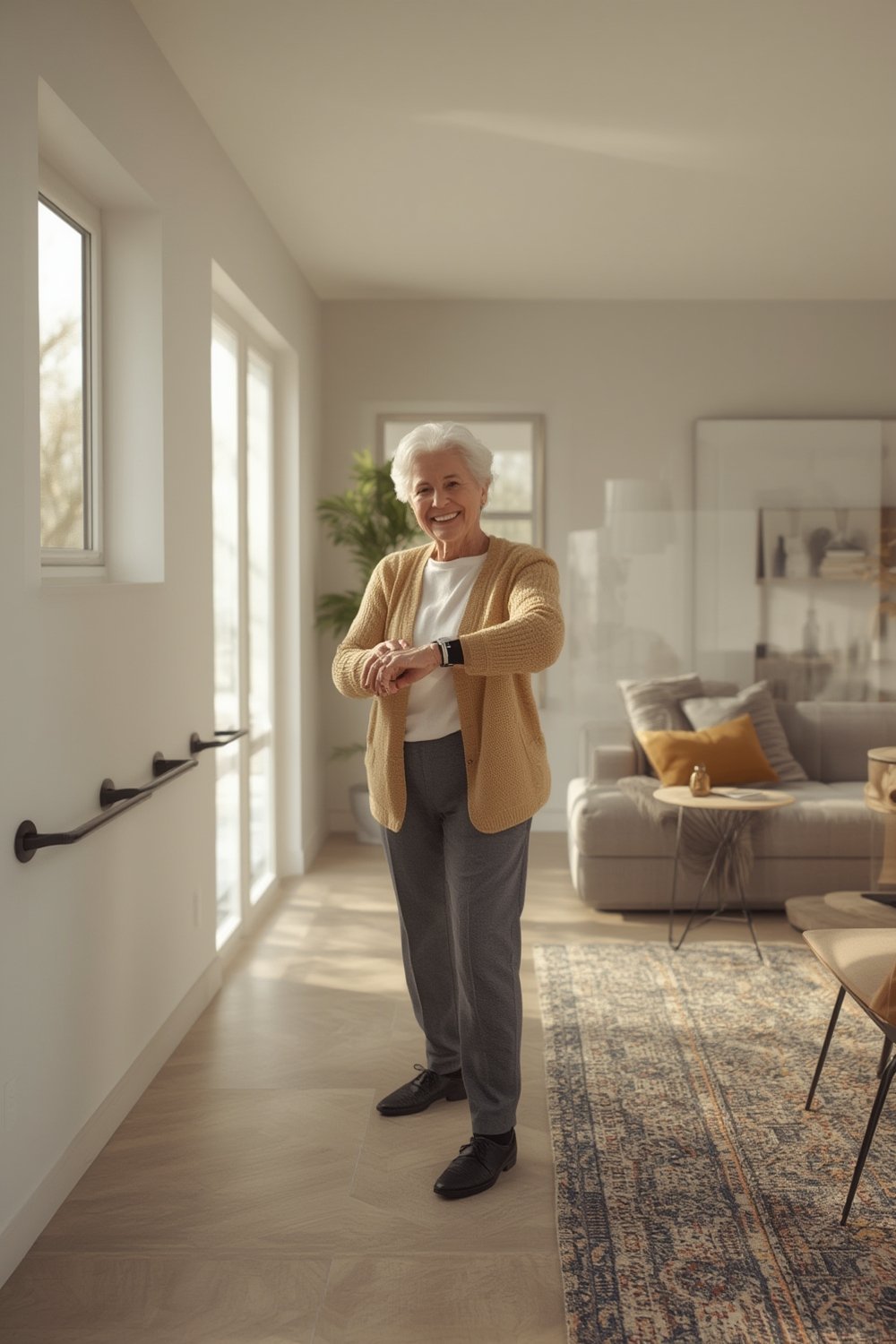
In 2024, the global market for wearable fall detection devices reached USD 620 million, with North America making up 35% of smart fall detection device sales. This growth is powered by the aging population and the drive to help seniors maintain independence safely, using technology that minimizes false alarms and ensures timely response (source). For seniors at risk of falls—especially those living alone—these wearable devices can be a lifeline, alerting caregivers the moment a problem is detected.
To learn more about daily living supports for older adults, check out our practical guide on assistive tools for daily living.
How to Choose and Set Up AI Wearable Fall Prevention Devices (Step-by-Step Guide)
- Assess individual needs: Consider the senior’s mobility, history of falls, mental capacity, and comfort with technology.
- Compare device types: Evaluate options such as smartwatches (integrated fall detection, GPS), pendants, belt or clip-on sensors, and emerging hip airbags.
- Check compatibility and caregiver features: Prioritize devices with app dashboards, emergency SOS alerts, and support for caregiver/caregiver team integration.
- Review battery life and charging routines: Longer battery life means less maintenance and lower hassle, especially for those with cognitive challenges.
- Evaluate pricing models: Be cautious of ongoing subscription fees, unclear maintenance costs, or high up-front prices—many 2026 models still lack transparent pricing.
- Understand setup requirements: Most devices come with simple smartphone pairing and user-friendly onboarding. Follow manufacturer instructions closely for correct positioning on the body.
- Test and adjust alert settings: Adjust the device sensitivity, notification intervals, and caregiver notification preferences to strike a balance between real safety and minimizing false alarms.
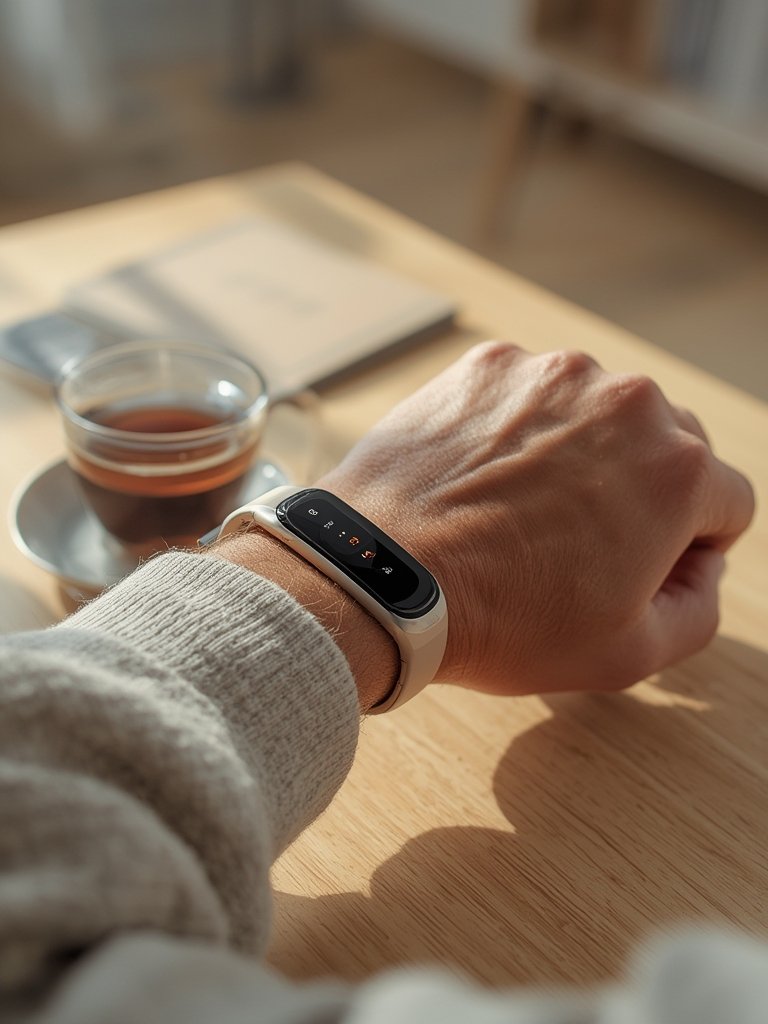
Need more insight on senior health tech? Compare the top 5 home health devices for seniors in 2026 for other technologies that can complement your fall prevention strategy.
For full independent living benefits, set up automatic alerts for caregivers via mobile app and verify that emergency calls are routed to multiple contacts, not just one phone. This redundancy can be life-saving, especially for seniors living alone.
Effective caregiver integration is easier than ever. Many devices now offer cloud-based dashboards where family, nurses, or remote care managers can receive real-time updates, check device status, monitor compliance, and even see movement trends over time—giving peace of mind and prompt intervention capability.
Also, consider devices with additional safety features—such as heart rate monitoring, GPS for wandering alerts, and even medication reminders. If someone needs even more support, exploring a fall detection medical alert system with broad compatibility may be the right choice.
Advanced Analysis & Common Pitfalls
Despite exciting progress, AI wearable fall prevention for seniors faces realistic obstacles. Here’s what you should look out for:
- False alarms: Even with AI, accidental triggers—like sudden sitting or quick head turns—can cause false alerts, leading to unnecessary worry or alarm fatigue in caregivers. Precision is improving, but it’s not perfect.
- Privacy and data concerns: Some users report anxiety about constant movement tracking and health data sharing, especially when multiple caregivers are involved. Ensure devices comply with current privacy regulations before purchase.
- Lack of cost transparency: Most models in 2026 do not provide clear or consistent information about price, required subscriptions, or service maintenance fees (source).
- Limited clinical data on hip airbags: While early results are promising for AI-based fall risk assessment, hard data showing significant injury reduction with hip airbags is still sparse (study).
- Setup and tech learning curve: Seniors unfamiliar with smartphones or Bluetooth pairing may struggle, and family/caregivers will need to be involved in the initial configuration and regular device checks.
Here is a summary table of features and technology focus based on current market research:
| Feature | Description |
|---|---|
| Sensors Used | Accelerometers, gyroscopes, heart rate, barometric sensors measure movement, impact, and orientation (source). |
| AI Capabilities | Machine learning reduces false positives and adapts to individual patterns. Improved risk detection over “dumb” alerts (source). |
| Alert Options | Automatic SMS/app alerts, SOS button, real-time video (some smartwatches or platforms). |
| Battery Life | No standardized benchmark. Smartwatches 1-4 days; pendants often longer; device-dependent. |
| Caregiver Integration | Mobile apps, cloud dashboards, trend tracking, care coordination (includes emergency response). |
| Cost/Subscription | Varies widely; lack of public 2026 pricing for leading devices (market report). |
Competitor reviews routinely miss practical details—like side-by-side detection accuracy, user experiences with hip airbags, or what it’s really like to pay for, set up, and maintain these devices. If you want a holistic home safety upgrade, pairing fall prevention wearables with smart home devices for senior independence and ergonomic home health tools can make a noticeable difference.

Conclusion
AI wearable fall prevention for seniors represents one of the most promising and actionable advances in elder safety for 2026 and beyond. They deliver real-time fall detection and caregiver alerts, but buyers should prepare for occasional false alarms, possible privacy concerns, and uncertain pricing. Supporting evidence for AI-enabled detection is strong, especially when devices are set up with caregiver involvement and paired with broader home health strategies. To get the full benefit of AI wearable fall prevention seniors solutions, focus on proper device selection, thorough setup, and ongoing integration with family or professional caregivers.
Ready to make your home or care setting safer? Start comparing devices, involve your care team, and don’t overlook simple modifications or supplementary aids for a holistic approach. You can also explore our proven guides on ergonomic home health innovation or AI posture wearable monitors for more ways to support long-term senior mobility.
FAQ
How accurate are AI wearable fall prevention devices for seniors?
Most modern devices achieve good accuracy by combining accelerometers, gyroscopes, and AI algorithms that minimize false alarms. However, detection rates and false-alert rates are seldom published—expect occasional errors, especially during vigorous activity or quick movements.
Are hip airbags effective for fall prevention?
Clinical support is still emerging. Wearable hip airbags show promise for injury prevention but lack large-scale published data comparing injury rates to traditional wearable alarms. Consult doctors for the latest evidence and try supervised trials if possible.
What happens if the device battery runs out or isn’t worn?
The system cannot detect or alert falls when uncharged or unworn. Regular charging and compliance checks—often by caregivers—are essential. Some systems send low battery alerts to caregivers.
Can these devices be integrated with smart home or medical alert systems?
Yes, many solutions now support direct app integration with mobile dashboards, voice assistants, or even medical alert centers. Check compatibility before purchase for the smoothest experience.
How much do top-rated AI fall prevention wearables cost?
2026-specific prices are rarely published yet, but you can expect a mix of device (often $150–$500) plus monthly subscription or service fees. Always confirm full pricing—including support and updates—before purchase.