


Key Takeaways
- The U.S. DME market for elderly users will exceed $100 billion by 2033; high-tech smart devices and easier Medicare approvals are major trends for 2026.
- Medicare’s 2026 updates expand coverage for advanced items (smart wheelchairs, hospital beds, remote monitors), but eligibility and costs vary—professional guidance is critical.
- Maintenance, reliability, and approval processes remain under-addressed in most online guides; this article highlights practical steps and real limitations.
- The Core Concept: Durable Medical Equipment for the Elderly in 2026
- Step-by-Step Guide: How to Get the Right DME for Elderly Care in 2026
- Advanced Analysis & Common Pitfalls of Choosing DME for Seniors
- Conclusion
- FAQ
The Core Concept: Durable Medical Equipment for the Elderly in 2026
Durable medical equipment (DME) refers to devices that help seniors stay safe, comfortable, and independent at home. By 2026, the DME landscape will be defined by AI-enabled mobility aids, remote monitoring tools, user-centric hospital beds, and telehealth-connected devices. The market is growing fast—driven by the aging population, rising rates of chronic conditions like diabetes (now at 20.1% among those 65+), and a demand for smarter, more eco-friendly solutions.

According to Grand View Research, the U.S. DME market was $70.66 billion and is projected to reach $108.73 billion by 2033. The CAGR between 2026 and 2033 will be around 5.5%. Recent trends include modular and multi-functional equipment, telehealth integration, and streamlined Medicare processes. For a closer look at smart home health devices in 2026 and adaptive equipment that promotes independence, check out Top 5 Home Health Devices for Seniors in 2026.
Smart DME products for elderly adults now feature AI-powered obstacle detection (in wheelchairs, walkers, scooters), ergonomic designs, energy-efficient batteries, real-time remote monitoring, and lightweight, durable materials. Medicare 2026 is expanding coverage to include many of these next-generation devices, but navigating eligibility and approvals can still be tricky. More on that in the next section.
Step-by-Step Guide: How to Get the Right DME for Elderly Care in 2026
- Assess Needs: Start by listing the daily challenges faced by the elderly person. Is it mobility, breathing, pressure relief, safety, or monitoring vital signs?
- Get a Medical Evaluation: Schedule a checkup with a healthcare provider who can document medical necessity—a required step for most Medicare-covered DME items.
- Understand Medicare Coverage: Review current Medicare 2026 benefits. Medicare Part B generally covers durable medical equipment that is medically necessary and prescribed by a doctor.
- Gather Documentation: Collect the signed doctor’s order (prescription), recent medical records, and any additional forms required by Medicare or insurance. Documentation requirements can be unclear, so work with your provider’s insurance office or a Medicare advocate.
- Choose a Medicare-Approved Supplier: Use the official Medicare supplier directory or contact local trusted providers. Ask if they carry smart, telehealth-enabled devices if relevant to your needs.
- Apply and Follow Up: Submit required forms and prescriptions to the supplier. Stay in close touch to confirm coverage, handle any denials, and understand delivery timelines.
- Train and Set Up: On delivery, ensure the supplier offers training on safe usage, smart features, and maintenance. If not, insist on a demonstration or request a user manual.
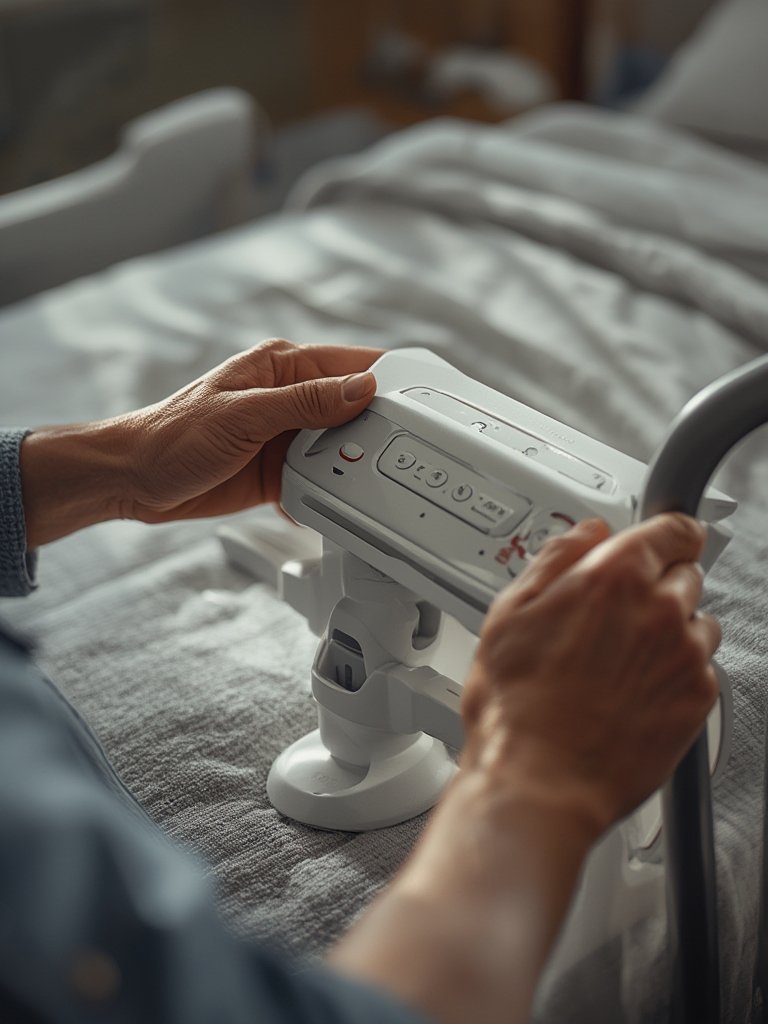
What about the equipment itself? For smart walkers and mobility aids, read this proven guide to Smart Walker GPS for Elderly. If you need guidance on ergonomic design in home medical devices, see Why Ergonomic Design is the Future of Home Health in 2026.
For safety and adapting your home environment, check OT solutions in Occupational Therapy Home Modification. Many adaptive and home assistive devices mentioned in these guides overlap with DME options covered by Medicare and Medicaid in 2026.
Advanced Analysis & Common Pitfalls of Choosing DME for Seniors
Most online guides focus on what’s new and exciting about DME for the elderly in 2026, but users and caregivers run into very real problems. Here’s what the research and data don’t always tell you—and what you need to watch for:
- Eligibility Frustrations: While Medicare is expanding DME coverage to smart wheelchairs, hospital beds, and telehealth accessories, no public database spells out exact eligibility rules or copay amounts by state or plan.
- Incomplete Documentation: Many applications are denied or delayed due to missing medical records, unsigned forms, or incomplete prescriptions. Medicare’s processes are more streamlined in 2026, but human error remains common.
- Supplier Delays: Due to fraud-prevention moratoriums and backorders of popular devices, delivery times can be unpredictable—even for critical equipment like oxygen concentrators.
- Lack of User Training: Smart DME devices aren’t always intuitive. Some suppliers don’t offer hands-on training, leaving elderly users or caregivers with confusing tech, unnecessary hospital visits, or dangerous misuse.
- Poor Maintenance Info: Maintenance and long-term reliability for complex DME (like AI wheelchairs and smart hospital beds) are often ignored in guide articles. This leads to breakdowns or expensive out-of-pocket repairs.
- Coverage Unknowns: No clear public information is available for 2026 regarding out-of-pocket costs, copays, deductibles, or how they compare across Medicare plans or different U.S. regions.
Advanced DME choices should also factor in environmental impact and modularity for future upgrades. If you’re looking for truly transformative rehabilitation tech, read about Robotic Home Rehabilitation Exoskeletons for elderly use.
| Equipment Type | Key Smart Features | User Benefits | Potential Downsides |
|---|---|---|---|
| Power Wheelchair | AI obstacle detection, modular upgrades, lightweight alloys | Easy navigation, remote health data sharing, lighter transport | Learning curve, limited battery data, higher maintenance |
| Hospital Bed | Smart pressure surfaces, AI movement alerts, antimicrobial fabrics | Better skin health, fall prevention, customizable comfort | Complex to operate, costly repairs, supply shortages |
| Portable Oxygen Concentrator | Telehealth sync, voice controls, eco batteries | Continuous monitoring, easier at-home use, environmental savings | Unknown flow-rate specs, possible device recalls, tech setup challenges |
Need adaptive tools for everyday independence? See 5 Success Stories: How Assistive Tools Restore Independence for real-life examples—something often missing from trend-driven DME research.

Conclusion
Choosing and securing durable medical equipment elderly 2026 will reshape how many families deliver home care, but the process isn’t always straightforward. While innovation, expanded coverage, and modular designs improve options, gaps remain in transparency, maintenance info, and supplier access. Start with a complete, documented medical review and don’t hesitate to use Medicare advocates or trusted suppliers for step-by-step help. For extra home assistive device inspiration, check out 7 Assistive Tools for Daily Living That Make Life Easier at Home. Ready to get started? Reach out to a Medicare-approved supplier, or review your device options today to make the most of ever-evolving elderly care.
FAQ
What counts as durable medical equipment for the elderly in 2026?
DME includes power and manual wheelchairs, smart walkers, hospital beds, portable oxygen concentrators, home health monitors, pressure relief mattresses, sensor-equipped rails, shower chairs, and patient lifts. Most Medicare 2026 plans now include coverage for advanced and AI-enabled models.
How do I get Medicare to cover DME for an elderly person at home?
Start with a doctor’s exam and prescription, gather detailed records showing medical need, select a Medicare-approved supplier, and submit all forms. Check with your supplier or a Medicare navigator to ensure timely processing and avoid common documentation errors.
Are DME costs the same across all Medicare plans and states?
No. Out-of-pocket costs, copays, and deductibles vary by Medicare plan, supplemental insurance, and state regulations. Unfortunately, no official 2026 public data compares these costs—always check plan details before applying.
What innovations should I look for in power wheelchairs and hospital beds in 2026?
Look for AI-enabled features (like obstacle detection in wheelchairs, adjustment alerts in hospital beds), telehealth integration, modular upgrades, easy-to-clean materials, and user-centered ergonomic designs.
Where can I learn about DME maintenance and reliability?
Very few online guides address DME maintenance. Always request a detailed maintenance and service schedule from your supplier, and consider equipment with strong manufacturer support and user-friendly tutorials.