


### Blog Post:
CGM wearable non-diabetic wellness is gaining attention as more healthy people use glucose monitoring tech to optimize weight, energy, and longevity, even without diabetes.
Key Takeaways
- No solid clinical evidence yet supports CGM wearable benefits for non-diabetic wellness, but interest and adoption are rising.
- Most pain points involve user anxiety, lack of medical guidelines, and unclear actionable targets for healthy users.
- Next-generation devices like Dexcom Stelo enable broader access and easier usability, but clear outcome data and cost transparency remain missing.
The Core Concept
Continuous glucose monitors (CGMs) are wearable devices that measure your real-time blood sugar trends under the skin. While originally for diabetes management, CGM technology now attracts athletes, biohackers, and everyday people seeking fine-tuned wellness, performance, or weight control. These users believe tracking blood sugar enables smarter eating, improved energy, and early prevention of metabolic issues—even in the absence of a diagnosis.
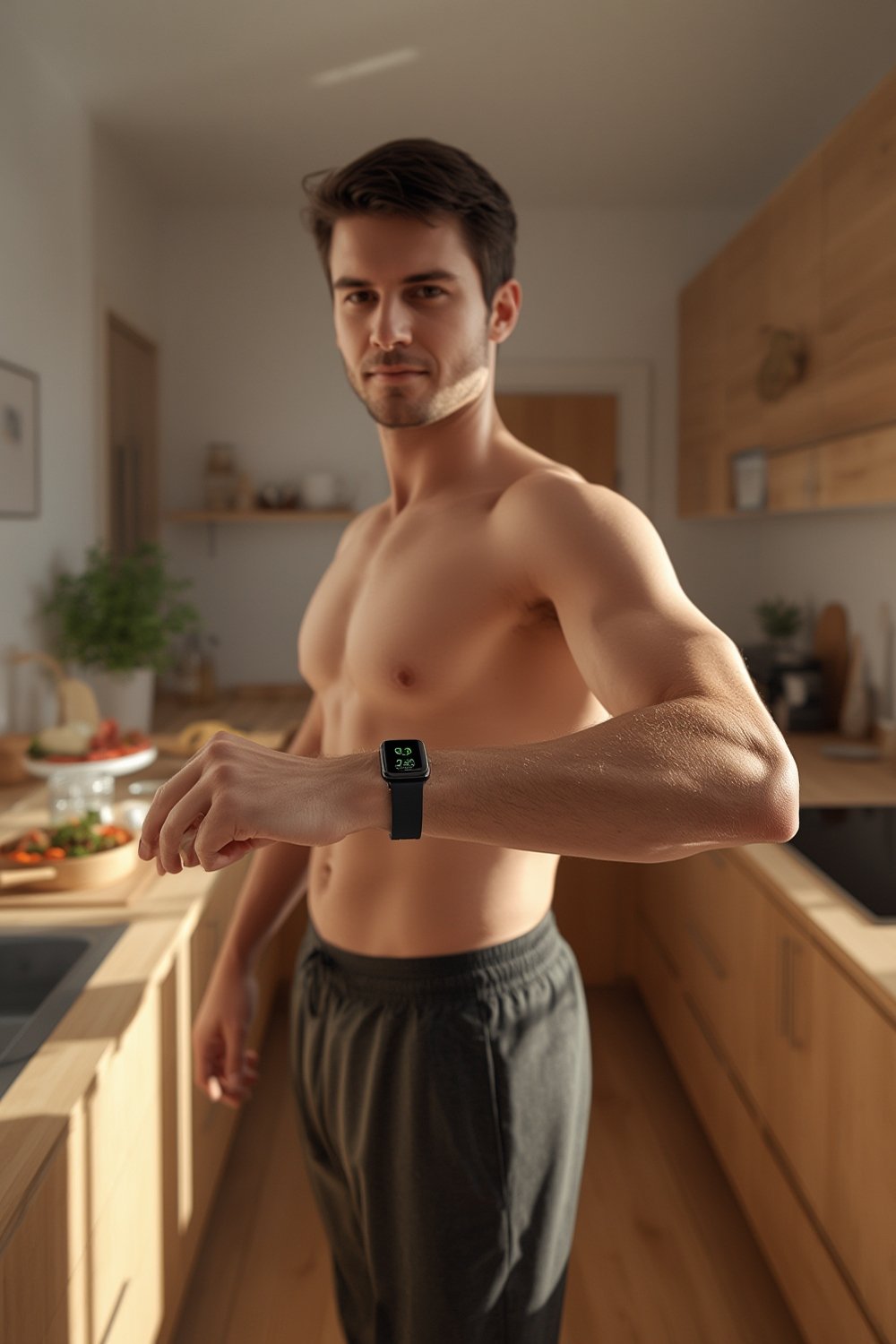
Unlike “phone or smartwatch,” CGMs provide a stream of glucose data every 5 to 15 minutes, delivered to your phone or smartwatch. This influx of new health data aims to pinpoint how food, stress, exercise, or sleep impact your unique metabolism. New over-the-counter (OTC) solutions like Dexcom Stelo allow adults without diabetes or insulin use to try CGM for personal wellness goals—though the medical community remains cautious about their long-term utility.
There is a lot of online buzz about these devices, but challenges like cost uncertainty, missing guidelines, and a lack of robust outcome data must be acknowledged. For context, top articles rarely reveal how many healthy people actually use CGMs—or which outcomes matter most for wellness.
Step-by-Step Guide
If you’re curious about using a CGM wearable for non-diabetic wellness, here’s a realistic step-by-step process for getting started, maximizing benefits, and avoiding common traps:
- Decide Your Main Goal. Focus on a specific reason—do you want to manage energy, optimize post-meal response, lose weight, or experiment with biohacking?
- Choose the Right Device. Pick OTC CGM wearables that are FDA-cleared for general consumers, such as Dexcom Stelo, which doesn’t need a prescription. Remember, most insurance plans do not cover these for wellness use, unlike some senior health tech.
- Set Up and Sync. Install the device per instructions—often requiring a patch on upper arm or abdomen. Link the device to its companion app, and decide if you want to use additional wellness apps for analysis.
- Track Consistently. For several days, log meals, activities, sleep, and stress in real time. Review your glucose trends, but avoid spiraling into obsessive checking.
- Identify Your Patterns. Notice if any foods or routines result in unexpected spikes or dips. Only make minor adjustments at first; do not overhaul your diet or supplements based only on the CGM output.
- Adjust and Observe. Tweak meal timing, portion sizes, or pre-meal walks based on observations, always looking for practical improvements rather than perfect numbers.
- Replace or Remove as Needed. Sensors last about 10.5 days (Dexcom G7/Stelo) and must be swapped. Evaluate if ongoing tracking is helpful or causing anxiety. Uninstall if it’s not serving your goals.
- Most advanced CGMs only provide data streams; actionable insights in healthy users are limited due to lack of established optimal ranges.
- For additional daily living help, you can pair this approach with other innovations, such as daily assistive tools for home wellness or AI posture wearable monitors.
- If aiming to improve physical activity, consider integrating your tracker with under desk treadmill pads for movement at work—small habit shifts can have a bigger impact on metabolic health than chasing perfect glucose numbers.
Advanced Analysis & Common Pitfalls
Many healthy users of CGM wearable non-diabetic wellness tools encounter the following issues:
- Lack of standard targets: There is no consensus on what glucose patterns are normal or optimal for people without diabetes. Interpreting “spikes” or “swings” out of context may trigger needless anxiety.
- Obsessive tracking: The constant data stream can cause users to overanalyze meals, sleep, or exercise, leading to stress or disordered eating even though these changes may not matter for true wellness.
- Limited device validation: Current CGM wearables, like Dexcom G7 and Stelo, have only been clinically validated for people with diabetes. Data interpretation for healthy people is unexplored territory [source].
- Insurance & cost: Most devices and sensors are self-pay, with little to no insurance coverage for non-diabetic applications [source].
- Ambiguous wellness claims: Published research shows no clear, direct link between using CGMs in healthy adults and reduced risk of chronic disease or improved performance [source].
| CGM for Non-Diabetic Wellness | Advantages | Limitations |
|---|---|---|
| Dexcom Stelo (OTC; 2025+) | No prescription needed Easy app sync Updates data every 15 mins | No alerts for high/low glucose No clinical outcomes data Self-pay; unknown cost |
| Dexcom G7 | High accuracy for diabetes 10.5-day wear Smaller sensor design | Not evaluated in healthy users More costly for non-insured |
| Generic CGM Apps | Trend visualization Diet/activity logs | No personalized targets Data overload risk |
Given these practical realities, most non-diabetic adults should weigh whether CGM use addresses an actual concern and avoid letting generic “glucose goals” override established healthy behaviors like balanced eating, sleep quality, and regular movement. For broader context, compare with other technology-driven wellness strategies such as remote patient monitoring wearables or ergonomic design for home health.
Conclusion
CGM wearable non-diabetic wellness usage is on the rise, fueled by greater device access and curiosity about personalized metabolic data. However, as of 2026, there is no convincing evidence these devices directly improve metabolic health, longevity, or weight management in people without diabetes. Proceed carefully, avoid obsession, and focus on adopting habits that are proven effective—like movement, nutrition quality, and stress control.
Stay informed about regulatory changes and device improvements, but remember: for most users, simple, proven wellness strategies still beat chasing perfect glucose graphs. Ready to experiment? Review your options and consider if using a CGM wearable non-diabetic wellness device aligns with your realistic goals before investing. Always consult a medical professional if in doubt.
FAQ Section
Can I buy a CGM without a prescription for wellness use?
Yes. Dexcom Stelo launched as an FDA-cleared OTC device for adults not using insulin and not at risk for low glucose. However, most CGMs in the U.S. still require a prescription.
Will insurance cover CGM for non-diabetic wellness?
No. Current insurance plans do not cover CGMs for healthy people using them for wellness, weight loss, or biohacking.
Are there proven health benefits for using CGM wearables if I don’t have diabetes?
No clinical research to date shows direct, proven metabolic or weight loss benefits in healthy non-diabetics. Most evidence is anecdotal.
Is real-time glucose data always actionable for healthy people?
No. Without established glucose goals for healthy adults, it’s easy to misinterpret normal fluctuations as problems. Focus on overall well-being, not chasing numbers.
What are the biggest downsides?
Common issues include anxiety from data overload, lack of guidelines for healthy ranges, unclear costs, and no insurance support for wellness use.
—