


### Blog Post:
Ergonomic lumbar support cushion is more than a buzzword—it is a practical tool for anyone spending hours at a desk or behind the wheel. With remote work and awareness of back health on the rise, finding the right support can make a noticeable difference in daily comfort. This guide covers what actually works, what might not, and the real-life issues overlooked in most articles.
Key Takeaways
- Ergonomic lumbar support cushions are in high demand globally, with the market projected to reach USD 0.8 billion by 2026 as more people seek comfort and back health solutions.
- Common user woes, like poor fit and inconsistent quality, are rarely addressed in detail—choosing wisely matters.
- Lack of clinical proof means buyers should base decisions on product quality, materials, features, and verified customer experiences.
- What Is an Ergonomic Lumbar Support Cushion and Why Use One?
- How to Choose and Use an Ergonomic Lumbar Support Cushion (Step-by-Step)
- Advanced Analysis & Common Pitfalls
- Conclusion
- FAQ
What Is an Ergonomic Lumbar Support Cushion and Why Use One?
An ergonomic lumbar support cushion is a portable pad designed to maintain the natural curve of your lower back, especially during long hours of sitting. These cushions are commonly made with memory foam, gel, or pneumatic (air) chambers and are used in cars, office chairs, and even wheelchairs.
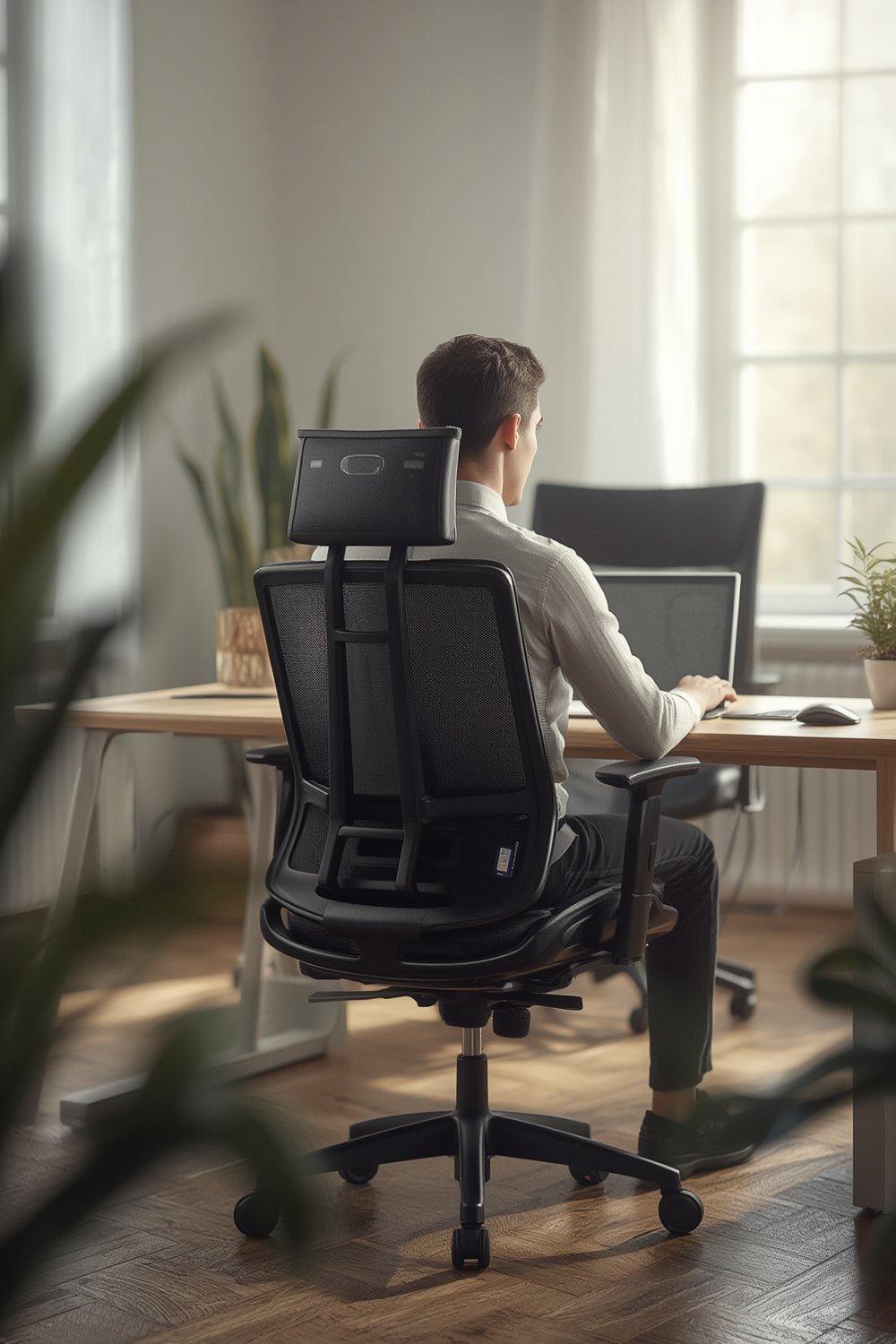
Demand has exploded: the global lumbar support pillow market hit USD 0.66 billion in 2024 and should reach USD 0.8 billion by 2026, thanks mostly to remote work trends and a growing emphasis on comfort and spine health (source).
But with popularity comes confusion. While the right cushion can help minimize back strain and improve posture, not all models deliver equal results. Features like adjustable straps, breathable fabrics, and memory foam densities are often promised but rarely standardized. Even the “premium” models under USD 100 can vary widely in build and long-term support quality (source). This leaves many buyers wondering which option is right for them.
It is worth noting that despite the claims, independent clinical trials proving that ergonomic lumbar support cushions directly reduce chronic back pain in desk workers or drivers are not publicly available (source). Benefits are mostly based on user feedback and ergonomic principles.
For context and more on innovative home health design, see why ergonomic design is the future of home health in 2026.
How to Choose and Use an Ergonomic Lumbar Support Cushion (Step-by-Step)
- Assess your needs: Are you using the cushion in a home office, car, or both? Longevity and pressure relief are key for people who sit for hours, while portability and fit matter more for drivers or travel use.
- Pay attention to materials: Memory foam is popular for conforming support but may trap heat. Gel-infused or ventilated options offer more breathability. Pneumatic models allow air adjustment for personal comfort but cost more and may not fit all chairs.
- Check size and compatibility: Not all lumbar support cushions fit every seat. Compare cushion width and thickness versus your chair’s dimensions. Look for adjustable straps, which help prevent slipping in both office and car seats.
- Prioritize essential features: Washable covers, non-slip backing, and adjustable firmness are practical, especially if you share seats or have allergies.
- Set expectations: These cushions help support posture but will not cure underlying injuries or chronic pain. Consistency and chair ergonomics matter as much as the cushion itself.
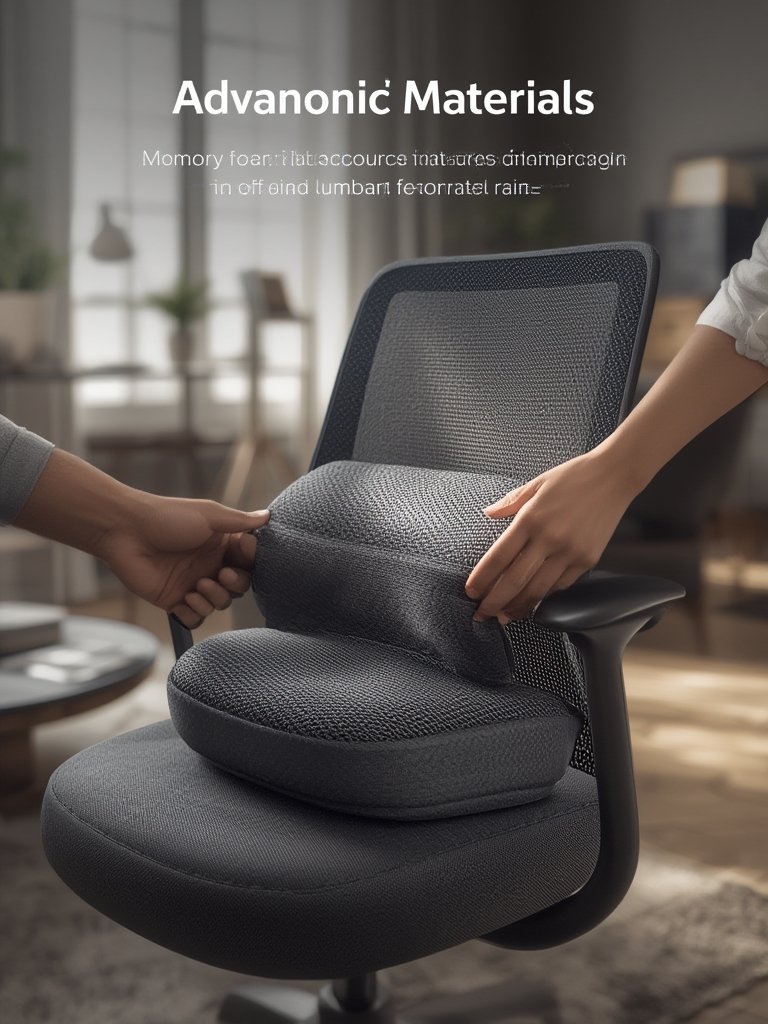
If you’re shopping for seniors or the elderly, ergonomic lumbar support cushions can be a fantastic addition to top home health devices for seniors or paired with essential assistive tools for daily living at home that restore independence.
Looking for a comfort upgrade in your home office setup? Consider integrating your cushion with other ergonomic essentials, such as an ergonomic vertical mouse to relieve wrist pain, or check out the latest ergonomic home office comfort tools for 2026 trends.
Advanced Analysis & Common Pitfalls
Not all ergonomic lumbar support cushions solve the problem for everyone. Here is what often goes wrong and how to make smarter choices, based on real market research and emerging trends from industry data.
- Fit and compatibility issues: Many users complain that cushions are either too bulky or too slim for their chair, leading to uncomfortable or awkward sitting positions. Adjustable straps are often missing or poorly designed.
- Heat retention: Memory foam, though supportive, can trap heat—making it uncomfortable for long periods or in warm climates. Gel-infused and mesh-backed options only partially fix this.
- Slippage: Cushions without proper non-slip materials or effective straps tend to slide out of position, particularly in cars or on leather chairs.
- Product inconsistency: Supply chain disruptions have caused price increases and quality inconsistencies in recent years. Pneumatic cushions, for example, may have long lead times (12–16 weeks) and varying build quality due to component shortages.
- No one-size-fits-all: Cushions designed for car seats don’t always work in office chairs and vice versa. Office models typically focus on daily desk posture, while automotive versions are optimized for long drives and driver fatigue reduction.
- Lack of clinical evidence: Despite broad use, no hard independent clinical studies prove that ergonomic lumbar support cushions prevent or reduce back pain. Most benefits are based on user reports and ergonomic logic, not medical research.
- Over-promising ergonomics: Some brands market features like “orthopedic support” without real testing or standards. Certifications and true specifications, such as foam density or scientific endorsement, are rarely available.
| Feature | Benefits | Possible Downsides | Who Needs It? |
|---|---|---|---|
| Memory foam | Conforms to body, even pressure distribution | Traps heat; may compress with heavy use | General office workers, drivers |
| Pneumatic (air adjustable) | Adjustable firmness, advanced ergonomic support | Expensive, supply chain delays, may leak | Drivers, those with unique support needs |
| Adjustable straps | Secures cushion in place | Poor straps often break or do not fit all seats | Users switching between car and home office |
| Washable cover | Easy cleaning, essential for hygiene | Not always included, zippers may fail | All users, especially allergy-prone |
| Non-slip base | Keeps cushion positioned correctly | Wears out over time | Drivers, leather/mesh chair users |
| Ventilated/mesh fabric | Improved airflow, stays cool | Can lose shape faster than solid foam | Hot climates, all-day use |
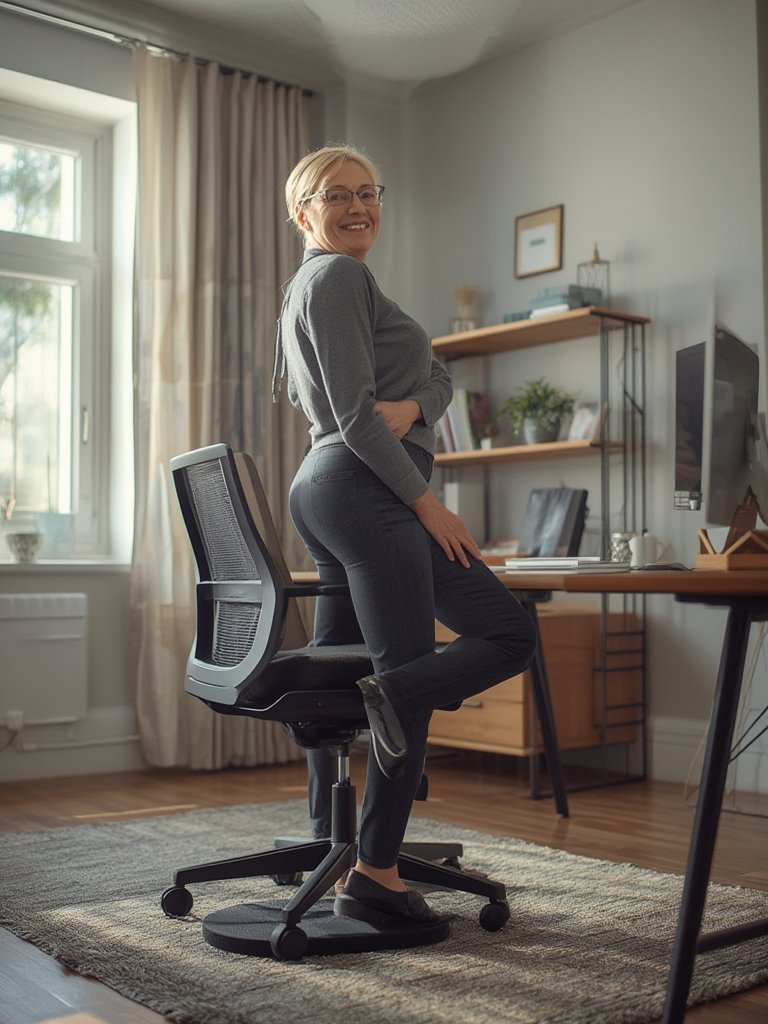
For people with accessibility needs, an ergonomic lumbar support cushion can form part of a larger plan, as discussed in essential accessible home office for disabilities.
Conclusion
An ergonomic lumbar support cushion can dramatically improve comfort and posture, but only if chosen with real-world constraints in mind. There is no single solution for everyone, and no independent clinical proof guarantees results. Evaluate design, materials, and support features—and be skeptical about marketing claims not backed by research.
Want to improve your sitting comfort or care setup? Try a quality ergonomic lumbar support cushion, but set realistic expectations and stay proactive about your broader office health habits.
Explore more home health innovations or discover devices that pair well with your new cushion in our guides to the best home health devices for seniors and success stories of assistive tools restoring independence.
For lasting results, combine your ergonomic lumbar support cushion with regular movement and a holistic approach to workspace comfort.
FAQ
How much should I pay for a high-quality ergonomic lumbar support cushion?
Most top models cost less than USD 100 as of 2026. Premium ergonomic chairs with lumbar support can reach up to USD 1,500, but standalone pillows remain affordable and effective for many users.
Does an ergonomic lumbar support cushion really prevent back pain?
There is no independent clinical evidence proving these cushions prevent back pain, but many users report reduced fatigue and improved posture, especially during long sitting sessions.
What features should I look for in a cushion for office chair and car use?
Look for memory foam or gel with good ventilation, responsive support, adjustable straps, washable covers, and a size that fits your seat. Non-slip bases help in both cars and offices.
Are there differences between cushions for car use and office use?
Yes. Automotive cushions often have pneumatic adjustments for long-drive comfort, while office cushions focus on daily desk posture. Make sure to match the cushion’s shape and fastening system to your chair or seat type.
Can I use a lumbar support cushion with a wheelchair or mobility device?
Yes—many people benefit from extra lumbar support in wheelchairs. Ensure the cushion fits and does not interfere with proper seating or mobility device functionality.
—