


Adaptive grip kitchen tools arthritis is a practical solution for seniors and anyone struggling with limited hand strength or joint pain. If you or a loved one find traditional kitchen utensils challenging to hold or control, switching to adaptive grip tools can make daily routines safer and more comfortable. Here’s how to choose, use, and benefit from these specialized kitchen aids, including key factors the typical guide leaves out.
Key Takeaways
- Over half of US adults aged 65+ have arthritis, which often leads to hand pain during kitchen tasks.
- Adaptive grip kitchen tools ease pain and strain, but choosing the right ones and using them correctly is essential.
- Smart strategies and awareness of common pitfalls will help avoid buyer’s remorse and frustration.
- What Are Adaptive Grip Kitchen Tools for Arthritis?
- How to Choose and Use Adaptive Grip Kitchen Tools: A Step-by-Step Guide
- Advanced Analysis and Common Pitfalls
- Conclusion
- FAQ
What Are Adaptive Grip Kitchen Tools for Arthritis?
Adaptive grip kitchen tools for arthritis are utensils and devices designed for people with weak hands, painful joints, or reduced dexterity. Most feature larger, non-slip handles, lightweight construction, and thoughtful designs that reduce the need for tight gripping or twisting. They’re not just for seniors—anyone who struggles to chop, stir, or open bottles comfortably can benefit from these ergonomic kitchen aids.
Statistics show nearly 54% of US adults aged 65 and older have arthritis, and hand pain is a common reason people seek adaptive tools (SingleCare; Statista).
Unfortunately, conventional kitchen utensils can make day-to-day tasks much harder for those with sore or stiff hands. Using poorly designed tools can increase pain, make you less independent, and lead to more frustration. Adaptive grip tools aim to restore comfort and safety when cooking or eating.

For more on assistive technologies at home, check out 7 Assistive Tools for Daily Living That Make Life Easier at Home for detailed insights.
How to Choose and Use Adaptive Grip Kitchen Tools: A Step-by-Step Guide
Adopting adaptive grip kitchen tools can transform daily life, but getting it right requires a focused approach. Follow these simple steps for best results:
-
Assess Your Personal Needs
- Are you struggling to open bottles, cut vegetables, or hold utensils for long periods?
- List specific kitchen tasks that trigger pain or fatigue in your hands.
-
Identify Ergonomic Features
- Look for utensils with large, cushioned handles, lightweight builds, and angled heads to minimize wrist strain.
- Choose materials that provide grip even when wet, such as silicone or rubber coatings.
-
Evaluate Product Quality
- Read independent reviews and look for tools recommended by occupational therapists.
- Consider brands with a good return policy if the tool doesn’t meet your needs.
-
Test and Adjust
- Try the tool out for essential kitchen tasks. Notice if it reduces pain or improves control.
- Adjust grip or technique; sometimes minor changes offer major benefits.
- If possible, borrow or test tools before buying a full set.
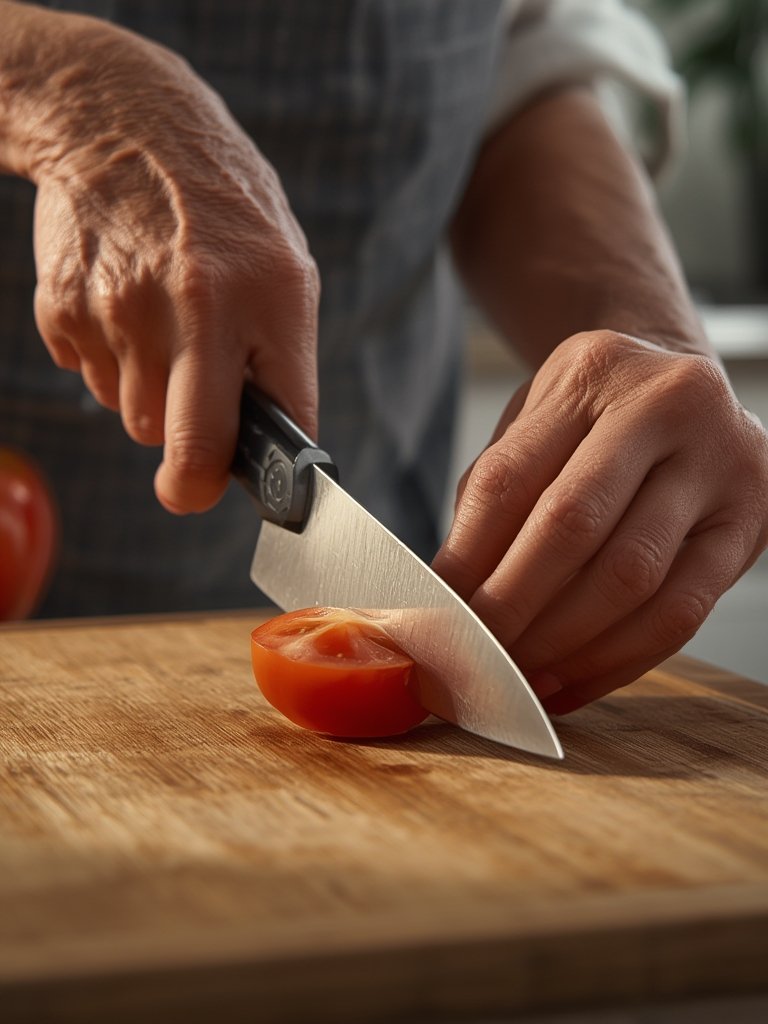
For more on ergonomic design advances, see Why Ergonomic Design is the Future of Home Health in 2026 and learn how these principles continue to shape better kitchen tools.
Looking for success stories? Discover real examples at 5 Success Stories: How Assistive Tools Restore Independence.
Advanced Analysis and Common Pitfalls
Many buyers underestimate the differences between products labeled as “adaptive” or “easy grip.” In reality, some so-called arthritis utensils may not help at all if they lack key ergonomic features. Below are common pitfalls to avoid and how to address them:
- Handles Too Large or Small: A handle that’s too thick can strain fingers; too thin may cause slippage. Test for comfortable diameter—about 1.2-1.5 inches works for most people with arthritis.
- Slippery or Uncushioned Grips: Hard plastics can get slick or fatigue the hands. Prioritize options with silicone, foam, or textured rubber.
- Excessive Weight: Some adaptive tools use steel or dense plastics, which can tire the user after a few minutes. Lighter is usually better, as long as the tool stays sturdy.
- Poor Quality or Overpriced Gadgets: Avoid tools that look promising but receive consistently poor reviews around durability or comfort.
- Wrong Tool for the Task: A jar opener meant for large lids may not work for bottles. Check dimensions and compatibility before buying.
| Feature | Best Practice | Common Mistake |
|---|---|---|
| Handle Design | Non-slip, contoured, 1.2-1.5” diameter | Smooth, slippery, too thin or bulky |
| Weight | Under 5 ounces per utensil | Heavy, causes hand fatigue |
| Material | Silicone-lined, foam, or soft grip plastic | Hard plastic, metal with no grip |
| Functionality | Appropriate for main pain points (jar opener, knife, spoon) | Generic or “one size fits all” tools |
Not sure which other adaptive tools might help throughout your home? Explore Top 5 Home Health Devices for Seniors in 2026 for recommendations beyond the kitchen.
For prevalence trends and more arthritis statistics, see sources like the Arthritis Foundation and National Library of Medicine.

Conclusion
Whether you have mild hand discomfort or severe arthritis, adaptive grip kitchen tools can transform how you cook and eat. Always look for ergonomic handles, lightweight materials, and real-world reviews before buying. Practical know-how and self-awareness are as important as product selection—using the wrong tool quickly leads to pain or frustration.
If you’re ready to regain kitchen confidence, invest in the right adaptive grip kitchen tools arthritis solutions. Try them out, adjust as needed, and make your daily routine safer, smoother, and more enjoyable. Start your search today and reclaim your culinary independence.
FAQ
What are the best adaptive grip kitchen tools for arthritis?
The best tools have chunky, cushioned, non-slip handles and are lightweight. Look for options like easy-grip knives, jar openers, and silicone-grip spoons. Try to test in-store if possible—and check return policies.
How can I make regular utensils easier to hold?
Wrap foam tubing or use soft silicone handle covers to create a thicker, more comfortable grip on any standard utensil. This simple hack can temporarily improve comfort.
Are adaptive grip tools covered by insurance or Medicare?
Usually, kitchen aids are not covered by Medicare, but some flexible spending accounts (FSAs) or veteran’s programs may reimburse certain medical adaptive devices. Always check with your provider first.
Do adaptive grip kitchen tools really reduce hand pain?
Many users report less pain and greater independence. However, poorly chosen tools that are too large, heavy, or slippery can make things worse. Choose carefully and adjust technique for best results.
Where can I learn more about adaptive home tools for seniors?
Check out our home assistive devices guide for more in-depth information and tips.