


Remote patient monitoring wearable technology is quickly transforming how patients and caregivers manage health at home, making it possible to track vital signs, manage chronic disease, and send real-time health data from anywhere.
Key Takeaways
- The remote patient monitoring wearable market is growing at double-digit rates, fueled by advances in smartwatches, biosensors, and cloud health platforms.
- Success with RPM wearables requires understanding real-world problems with comfort, accuracy, and privacy—and knowing how to avoid them.
- There are actionable steps for choosing, setting up, and maximizing the benefits of remote patient monitoring wearables at home for daily health management.
- Remote Patient Monitoring Wearables: What They Are & Why They Matter
- How to Choose and Use Remote Patient Monitoring Wearables at Home
- Advanced Analysis & Common Pitfalls
- Conclusion: RPM Wearables & Your Next Steps
- FAQ
Remote Patient Monitoring Wearables: What They Are & Why They Matter
Remote patient monitoring wearables are connected medical or consumer devices—think smartwatches, fitness bands, or biosensor patches—that measure and transmit health data (like heart rate, oxygen saturation, blood pressure, or glucose monitors) from a patient’s home to healthcare providers. Instead of relying on occasional clinic visits or manual readings, RPM wearables collect continuous wellness data, alert patients or care teams to early signs of trouble, and enable remote medical decisions.

The market is exploding: global RPM market value is projected to surge from USD 39.97 billion in 2025 to USD 103.95 billion by 2033 (source). RPM wearables—such as ECG watches, glucose monitors, and connected blood pressure cuffs—are behind this trend, as doctors and patients demand more accessible, real-time insights for managing chronic diseases, preventing hospital readmissions, and saving costs.
By 2026, the wearable healthcare devices market is predicted to top USD 22.57 billion, with consumer-grade wearables like smartwatches (often including FDA-cleared sensors) making up 62% of the market (source). Meanwhile, 88% of physicians say they want more home monitoring, and half of all users already depend on wearables for daily health management (source).
How to Choose and Use Remote Patient Monitoring Wearables at Home
Deploying remote patient monitoring wearables can seem overwhelming, but the process is straightforward with the right strategy. Here’s your actionable, stepwise plan:
- Clarify the Health Goal. Start by talking with your provider about which vital signs to track. Is it blood pressure, glucose, pulse ox, ECG, or daily activity? Your specific condition—like heart failure, diabetes, or recovery from surgery—will guide device selection.
- Compare Leading Devices on Function, Battery, and Comfort. Popular options include the Masimo W1 Medical Watch (FDA cleared), Apple Watch (with ECG or oxygen sensors), and advanced biosensor patches. Compare supported vital signs, battery life, comfort, and accuracy. Look for models that seamlessly integrate with mobile apps or provider portals (like the Masimo SafetyNet Telemonitoring System).
- Review Data Security and Privacy. RPM wearables transmit sensitive health data over WiFi or cellular networks. While leading brands advertise encryption and HIPAA-compliant software, always confirm how your data is protected. Ask about local data storage, identity management, and who can access your records before sharing.
- Check Upfront and Ongoing Costs. Device and platform prices can vary from under $200 for basic consumer models to $400+ for advanced, provider-integrated medical-grade wearables. Some insurance plans or Medicare Advantage programs now cover RPM, especially for chronic or high-risk conditions. Clarify coverage and potential out-of-pocket expenses with both provider and insurer before purchase.
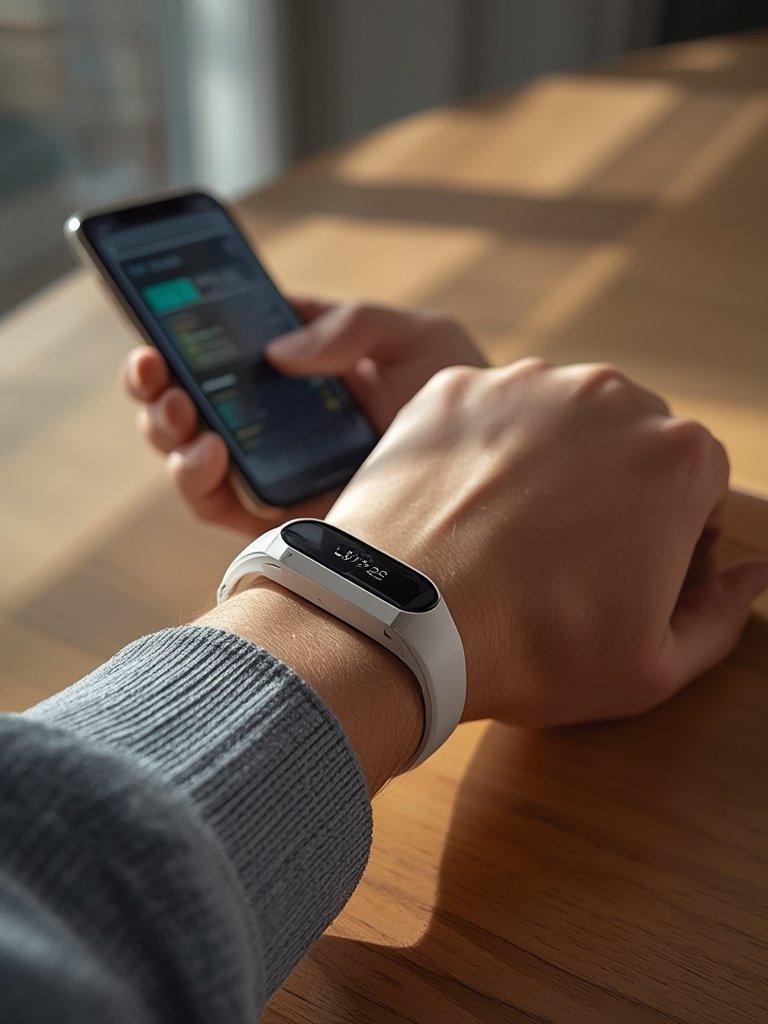
- Setup: Sync, Test, and Train. Set up your RPM wearable by syncing it to your smartphone and connecting to the platform or provider portal. Run tests to verify accuracy and comfort. Work with your provider to establish alert thresholds and notifications.
- Monitor Results—Adjust as Needed. Use the data to track trends, adjust medications, or intervene early. Share data with caregivers if needed. Repeat training or troubleshooting until daily use feels automatic.
If you want to maximize the benefits of RPM wearables, consider combining your setup with other proven home health devices for seniors or assistive tools for daily living. These simple additions can make it much easier for older adults or people with limited mobility to stay independent.
Advanced Analysis & Common Pitfalls
Despite their promise, remote patient monitoring wearables are not without pitfalls. Here’s what you really need to watch for:
- Accuracy Gaps: Consumer-grade devices may not match clinical workflows. False positives (bad readings) and false negatives (missed events) can mislead users and providers—and create unnecessary anxiety.
- Comfort & Usability: Bulky patches, stiff wristbands, and short battery life can drive patients to quit using their wearables. If a device is awkward, people are much less likely to stay compliant.
- Connectivity Drops: Wearables that rely on WiFi or Bluetooth often lose connection, causing gaps in vital sign data or missed alerts. Providers may not receive timely updates, risking care gaps.
- Privacy & Security Shortfalls: HIPAA-compliant transmission is essential, but not always easily verified by end users. Home WiFi vulnerabilities, password reuse, or sending data to the wrong cloud can put sensitive information at risk.
- Cost Surprises: Some “starter” devices come with hidden subscription fees for data storage, telemedicine access, or replacement sensors. Insurance coverage remains inconsistent.
| RPM Wearable Feature | Common Problem | Actionable Solution |
|---|---|---|
| Vital Signs Accuracy | Readings may be affected by poor contact, skin tone, or sensor placement | Clean the device, ensure proper fit, and verify readings with manual checks |
| Comfort | Too tight/loose bands or bulky patches cause irritation | Try different fit sizes or hypoallergenic straps; swap wrists/sides for patches |
| Connectivity | Drops break automatic uploads, causing gaps in records | Use wearables with offline storage, and check home WiFi or phone reliability |
| Privacy & Security | Data could be intercepted if not encrypted or secured | Pick brands with documented end-to-end encryption and two-factor authentication |
| Cost | Unexpected ongoing app platform or sensor replacement fees | Ask for total annual costs upfront and review coverage options |
Even though wearables can save as much as 16% in hospital costs over five years (source), user satisfaction and real-world outcomes depend on getting the right fit for your daily lifestyle and health goals. Learn more about complementary tech, like home health devices for seniors or ergonomic home health tools, for an even safer and more comfortable home health experience.

Conclusion: RPM Wearables & Your Next Steps
Remote patient monitoring wearables offer massive promise for anyone who wants to proactively manage health from home, avoid hospital stays, and gain daily insights for better chronic disease care. However, you need to select the right device, look for true medical-grade features, understand the real costs, and take steps to protect your privacy and comfort. If you’re ready to explore the world of remote patient monitoring wearable options, get advice from your provider and compare tools with a clear plan for setup and ongoing use.
Ready to make independent living easier? Find more personalized home care ideas and adaptive technology by checking out our expert guides, like assistive tools for independence or in-depth reviews on AI posture wearable monitors. Take control of your health journey today with the right remote patient monitoring wearable for your needs.
FAQ
What is a remote patient monitoring wearable?
A remote patient monitoring wearable is a connected device, such as a smartwatch, patch, or sensor, that automatically tracks vital signs and securely sends the data to healthcare providers or caregiver platforms for ongoing monitoring and early alerts.
Are RPM wearables covered by insurance or Medicare?
Some remote patient monitoring wearables may be covered by certain private insurance plans or Medicare Advantage if prescribed for chronic conditions, but coverage is inconsistent. Always check with your provider and insurer first for full details.
How can I choose the most accurate and comfortable RPM wearable?
Compare FDA-cleared options, check real user reviews, and prioritize comfort (adjustable bands, hypoallergenic materials). Schedule a trial or demo if possible before buying, and consult your provider for the best match for your health needs.
What vital signs can RPM wearables monitor at home?
Most modern RPM wearables track heart rate, blood oxygen (SpO2), ECG, activity levels, respiratory rate, and sometimes blood pressure or glucose, depending on the device model and sensor type.
How do I keep my RPM wearable data private and secure?
Choose a device from a trusted brand with clear HIPAA-compliant security protocols, enable two-factor authentication, and avoid sharing your login details. Always update both your wearable and desktop/mobile health applications regularly.